Grace Episcopal Church
- $165,000
- 5,475 square feet
- Lot Size: 0.38 acres / Zoning: Commercial
Maggie Gregg, Regional Director
Preservation North Carolina, Eastern Office
919-832-3652 ext. 242 ,
mgregg@presnc.org
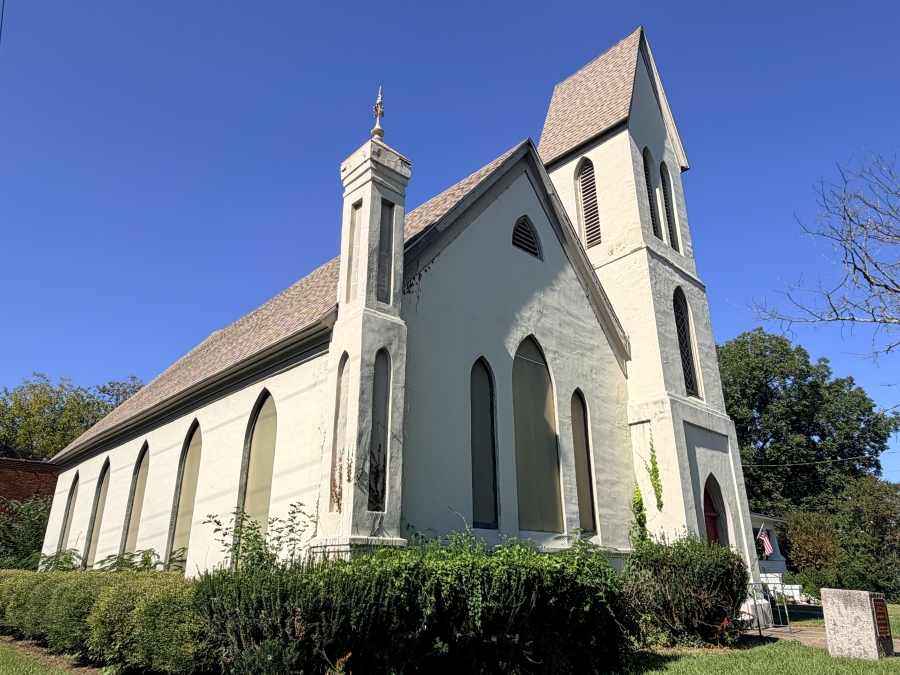
Grace Episcopal Church is a gorgeous Gothic Revival-style structure that comes with a large parish hall and the Mildred Boseman Johnson House, a Colonial Revival Cottage makes for a remarkable adaptive reuse opportunity in hospitality.
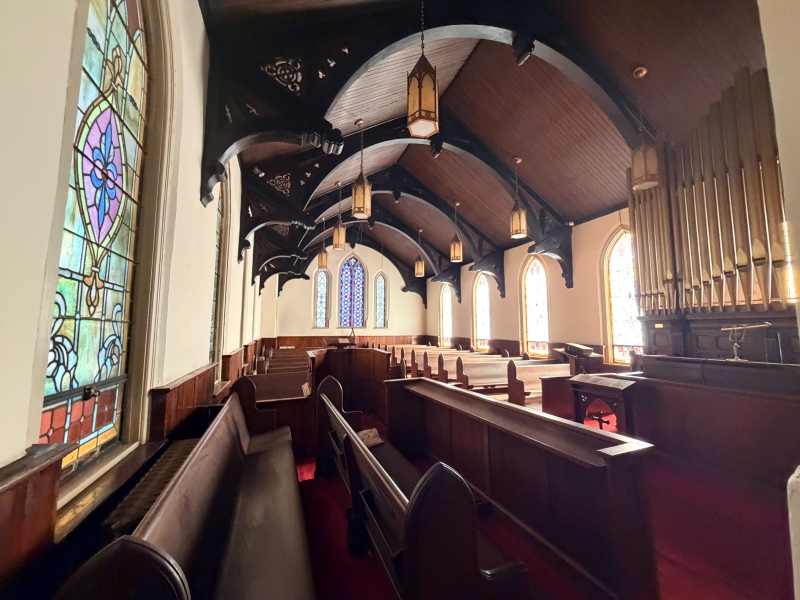
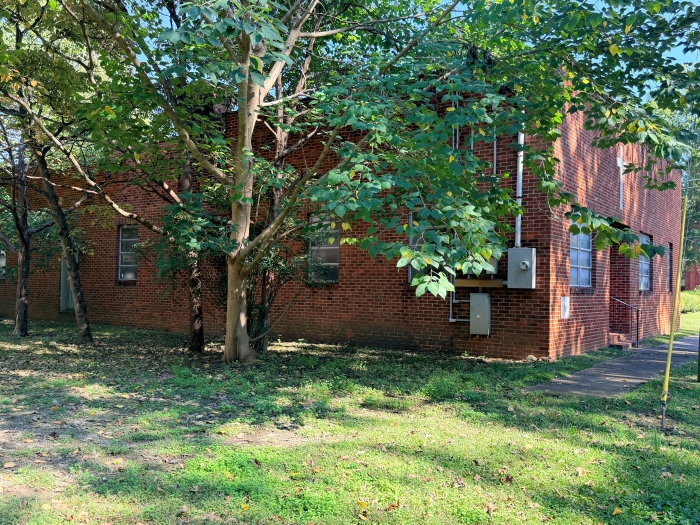
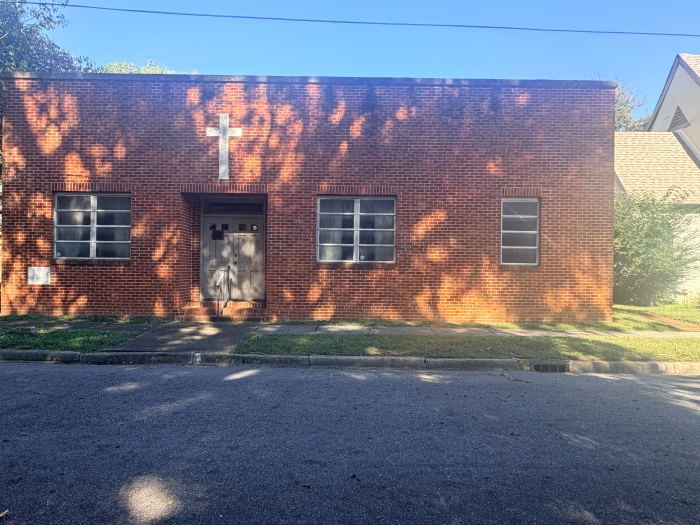
Originally built in the 1870’s as a brick Gothic Revival and later stucco’d in 1885, Grace Episcopal Church’s sanctuary is the oldest of the three churches in the Weldon Historic District and listed on the National Register. A prime adaptive reuse opportunity, it adjoins to the Parish Hall through a corridor that contains two bathrooms, the Rector’s Study and Vestment room, and a large kitchen with pass through. The Parish Hall is centered around a large gathering room with a fireplace, and also contains 4 Sunday School Classrooms. The Mildred Boseman Johnson House, a 3 bedroom 1 bath house sits directly to the rear of the Parish Hall, with a large front yard. Grace Episcopal would make an ideal adaptive reuse as a restaurant and bar.
Architectural Details
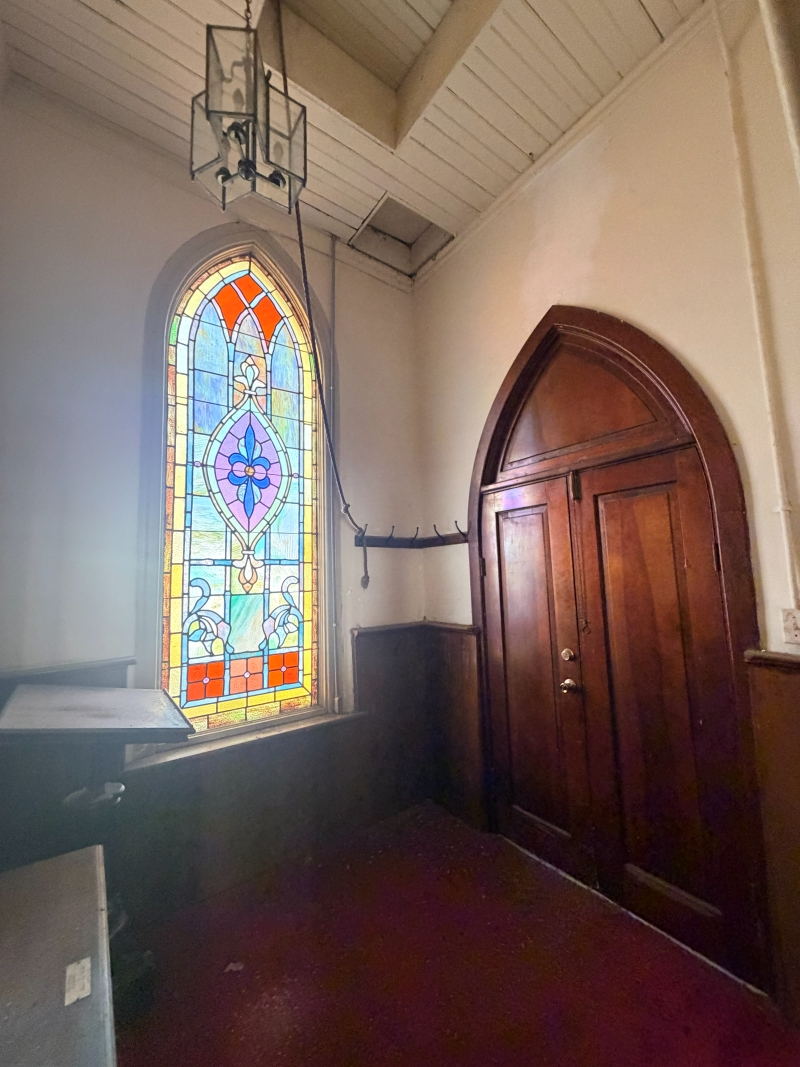
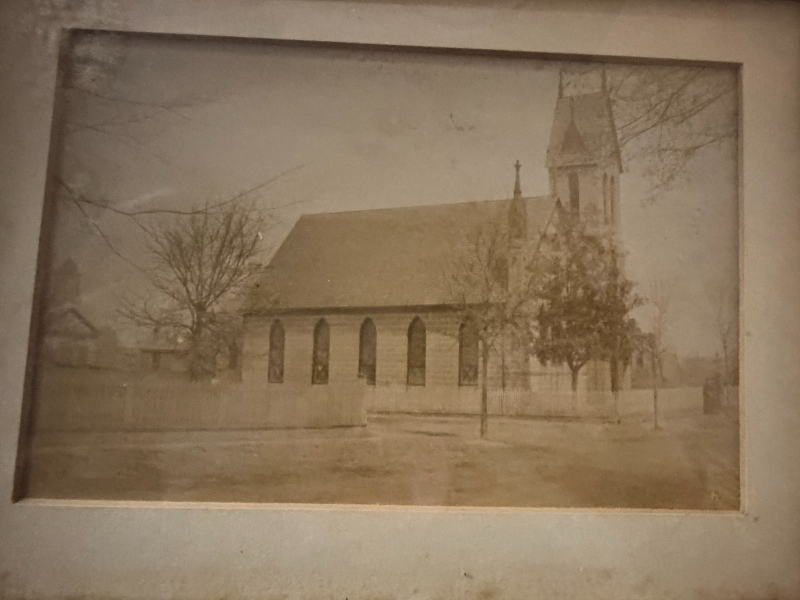
A distinctive example of the reserved Gothic Revival style that was the preferred Episcopal Ecclesiastical architecture during the mid-nineteenth century, the church’s brick walls were stuccoed in 1885 and scored to look like Ashlar stone. It’s situated facing southeast on a corner lot that is defined along the sidewalk boundary by masonry coping. The church and its connecting brick parish house, built in 1953-1954, dominate the lot. The basic rectangular plan of the church follows a typical gable-front orientation, extends five bays deep, and includes a small rectangular chancel area in the rear. The structure’s Gothic Revival exterior character is defined by the facade’s off-set corner, two-stage buttress with capped pinnacle and flanking three-stage bell tower. This tower also serves as an entrance vestibule. The steep pitch of the nave and bell tower roofs, the dominant use of the pointed arch, and an extraordinarily intact interior further enhance the church’s Gothic Revival design. Gothic arched openings pierce the building with windows containing colored glass added during the early twentieth century. Evidence of the scoring still exists, and is also documented in the photo from 1889. Other alterations occurred in the twentieth century like the removal of the following: the gable-front hood over the front entrance, two gable ventilators from the bell-tower roof, and an elaborate Gothic pinnacle which capped the corner buttress. There is a particularly notable stained glass window that was given to Grace Episcopal by Paul Garrett, often referred to as the Dean of American Winemakers, who was the President of Garrett and Co. located in Weldon between the late 1880’s until his death in 1940 and maker of Virginia Dare wine, the most popular wine in the United States prior to prohibition.
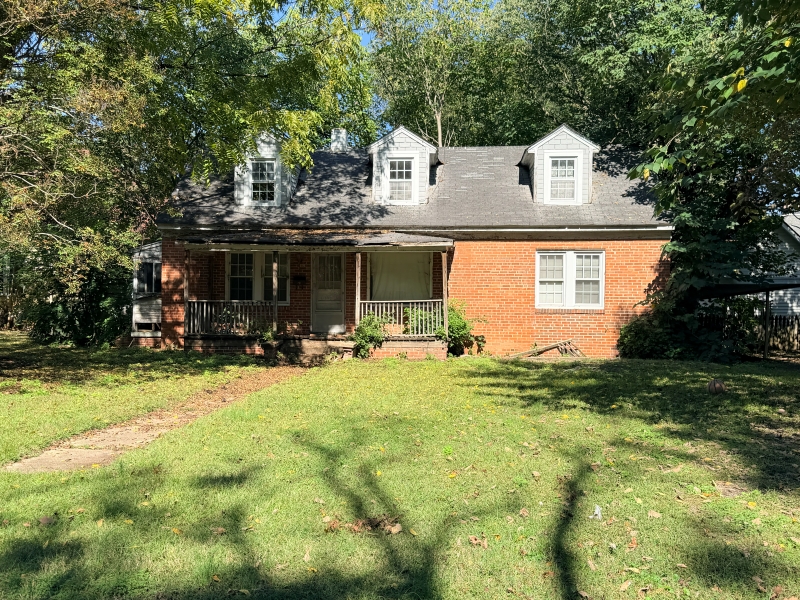
The Mildred Boseman Johnson House is small (approximately 1,260 square feet) one-and-a-half-story four-bay brick Colonial Revival cottage with gable roof pierced by three gable-front dormers. The offset porch shelters three bays, and has had alterations. A metal carport is attached to one side while a small shed room is adjoined on the rear of the other side.
The Church will require some restoration, including some structural repair and repair to the stucco. The Parish Hall will benefit from updates to the bathrooms and kitchen. The Mildred Boseman Johnson House will require a comprehensive rehabilitation including all new systems—HVAC, plumbing, electrical—and kitchen and bath as well as a new roof and interior repairs.
History
The house was most likely built for Jessie and Mildred Boseman sometime shortly after their marriage in 1944, with records confirming their residence by his death in 1949. In 1954, Mildred married James Johnson and the couple, along with her daughter Cornelia, remained there until they sold the house in 1966. It was acquired by Grace Episcopal Church in 2000. Grace Episcopal Church held it’s last services in 2024.
Area Information
Weldon, known as the Rockfish Capitol of the World, is a small historic town and home to the award winning Weldon Mills Distillery, Weldon Mills theater and located along the banks of the Roanoke River in northeastern Halifax County. Grace Episcopal is just a block away from the commercial historic business corridor and situated in a picturesque historic neighborhood.