America 250 in September | NC’s Historic Schools
This series is part of our America 250 Across NC celebration where Preservation North Carolina shares our state’s contributions to American History through the varied stories of historic preservation.
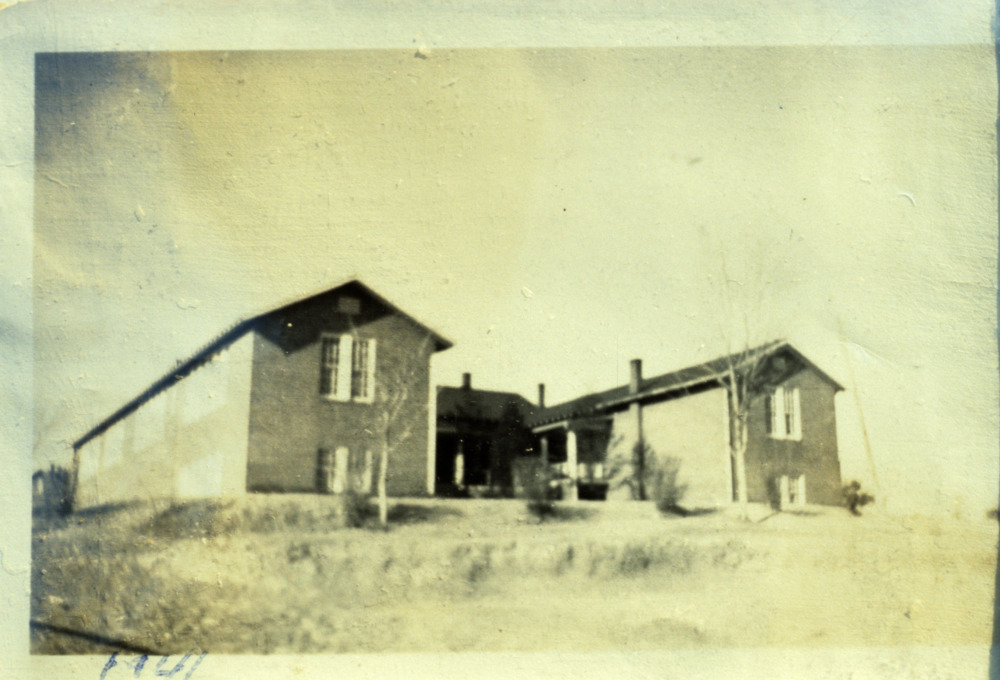
Schools hold a special place in our minds as both common ground during our most formative years and a launching pad for our future s as we learn about the world around us. The design and history of these spaces, while sometimes on the peripheral become memorable and important. Preservation North Carolina has maintained a focus on preserving historic schools since its inception in 1939.
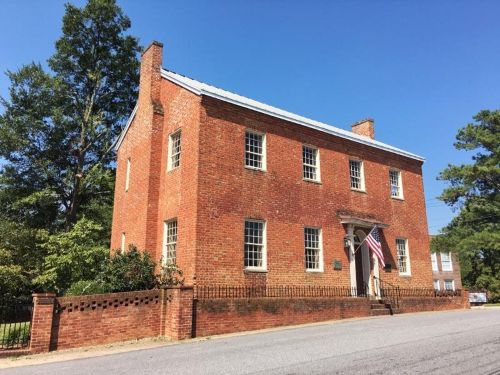
Some of our earliest work includes restoration on Richmond Hill, a legendary law school in Yadkin County from 1941 and a National Register property. Fun fact, this was the first property donated to PNC! Then, in the 1980s the preservation of schools took a central place in PNC’s work to save important historic places through protective covenants in the 1980s, as school boards began to view smaller historic school buildings as antiquated spaces with physical challenges responding to teaching changes such as accessibility needs and energy efficiency.
Here in North Carolina, a law was passed by our General Assembly in 1979 to allow for these historic properties to be transitioned to nonprofits with a preservation mission to see them legally protected and restored for extended uses. Historic schools have since seen reinvestment, most reverently often as affordable housing as you will learn here and exemplified in Statesville, Lenoir, and other places. Schools built using Rosenwald Funds in the early 1900s as a way to provide education and resources to African American communities during segregation, as you will learn in this series, hold a special role in PNC’s preservation story, as several protected properties hold this distinguished title. Most recently, PNC has protected, the Dunbar School a mid-century modern building in Lexington currently being used residential housing that’s a relic of North Carolina’s Civil Rights history.
At first glance, schools might not appear to hold such historical and architectural significance compared to other institutional buildings such as courthouses and churches, but with as you learn about 14 of our protected properties and take a closer look, you’ll find schools in our state showcase an evolution from small and specialized private spaces to large and integrated campuses.
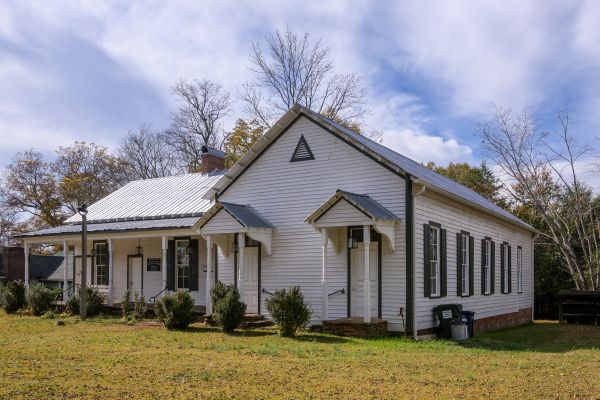
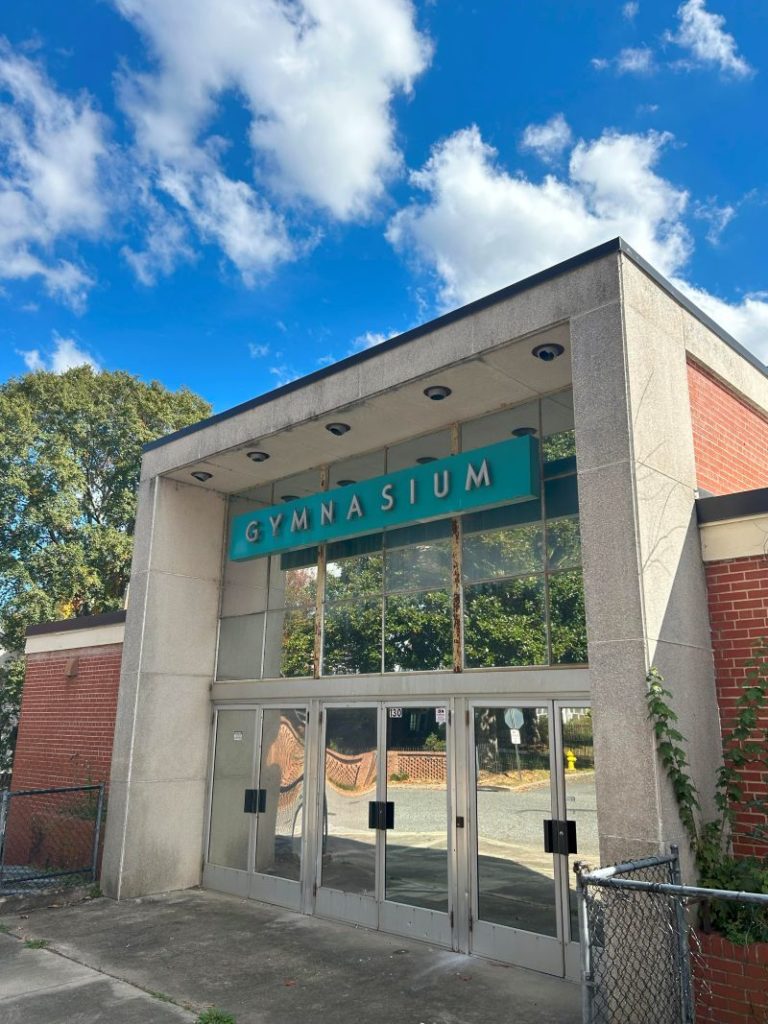
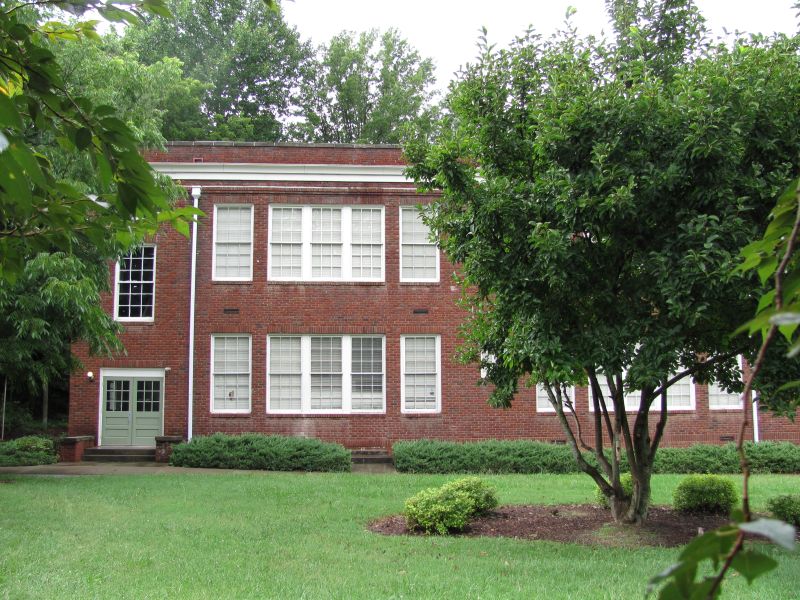
Click on the image to learn different styles of educational buildings from different time periods throughout North Carolina