

Section 106 Case Study: Ayr Mount
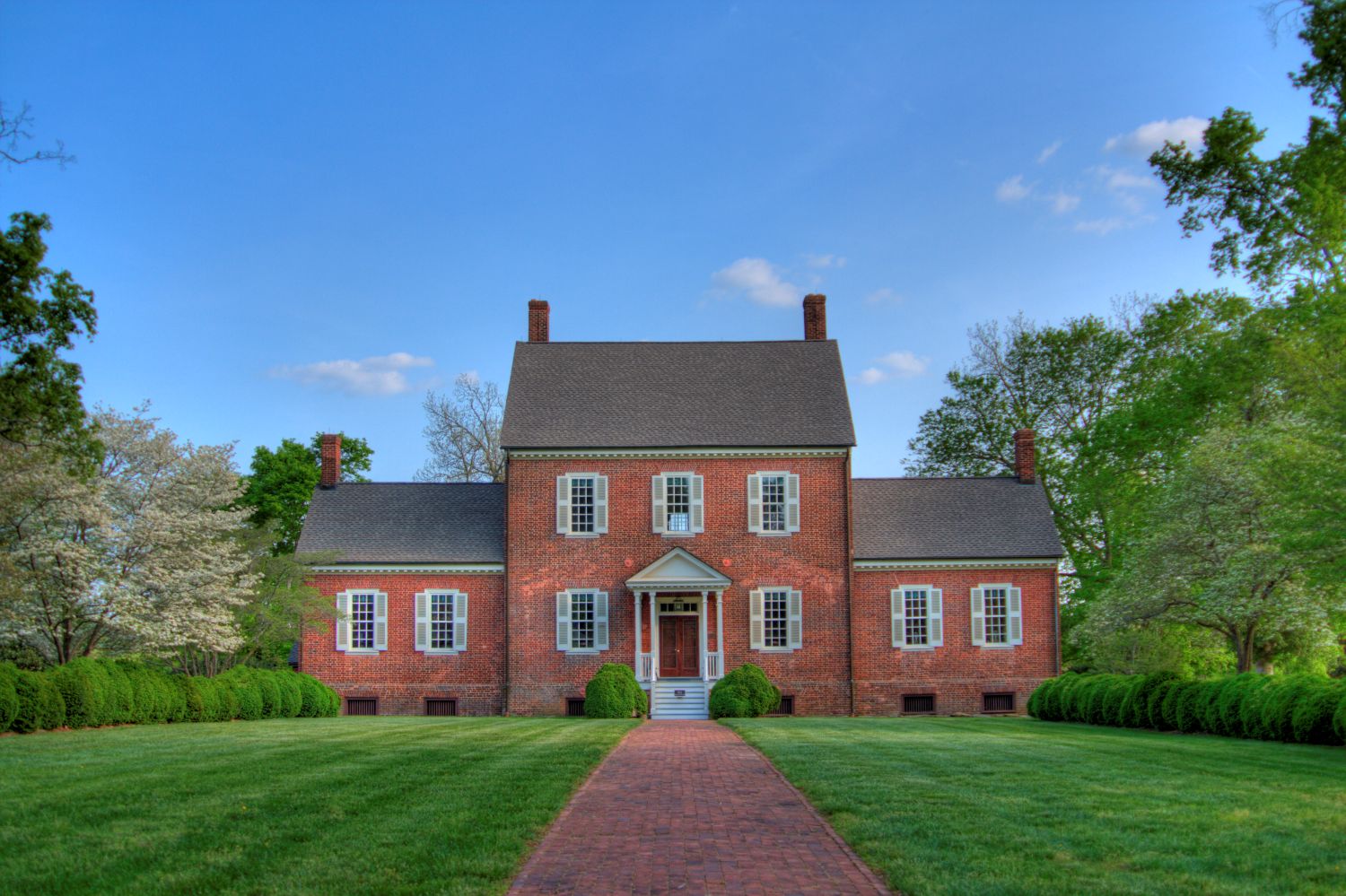
Ayr Mount, in Hillsborough NC owned and operated by the Richard Hampton Jenrette Foundation
How Ayr Mount in Hillsborough Came to be a Preserved Verdant Public Park Along the Eno River
With the news of Section 106 Review under threat, Preservation North Carolina is taking a look at ways this state has benefited from Section 106 review, such as the Ayr Mount museum in Hillsborough. This exceptional Federal house was managed as a museum by Preservation North Carolina for two decades. When its pristine viewshed was threatened by an attempt to place a four-lane highway through the property, PNC developed a creative strategy to save it along with a former NASCAR speedway, which was eventually placed in the National Register. Together, these two historic properties prompted a more comprehensive project review.
A closer look….
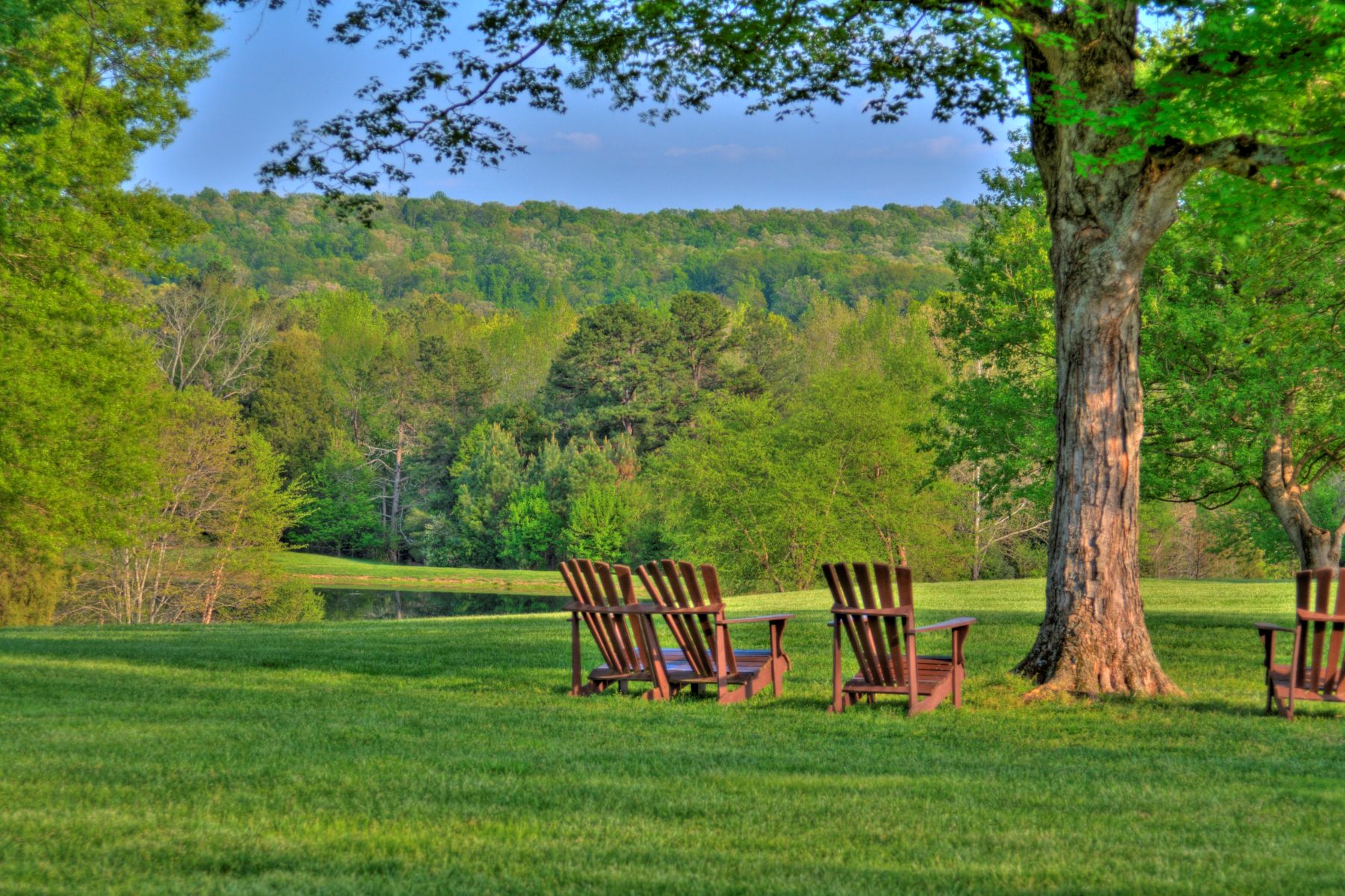
One of Preservation North Carolina’s most consequential property gifts was a donation of acreage with no historic value. A large foundation had long owned a piece of developed land near Chapel Hill, which was generating no income. They happily donated it to PNC, who had long known how to work with gifts of real estate. Proceeds from this sale were used to help purchase conservation land in and around historic Hillsborough. The first was a mile-long stretch along the Eno River behind Ayr Mount, a property listed in the National Register of Historic Places since 1971. The 176 acres of riverfront property were in Ayr Mount’s viewshed and historically included the site of the Occoneechee Speedway, one of the earliest NASCAR dirt tracks, which the owners at the time, the France family, sold to PNC.
Meanwhile, the North Carolina Department of Transportation was looking for land to build a new bypass through Hillsborough. This was controversial due to the result being the displacement of numerous residents only for slightly modest traffic congestion benefits. It had PNC thinking: might the Occoneechee Speedway be eligible for the National Register? It was determined eligible due to its statewide significance for its place in early stock car racing in the Piedmont. Not only was that property the location of the Occoneechee Speedway, but it was also the location of an 18th-century horse racetrack seen in the 1768 Sauthier map. In addition, it is an archaeologically rich site that has seen generations of UNC digs documenting its occupation by Native People for thousands of years. Anticipating having to go through a Section 106 environmental review process, NCDOT responded to the speedway’s National Register listing by finessing its plans to have the new road carefully wind its way between the early nineteenth-century Ayr Mount and the speedway by adding mitigating touches such as sound barriers and stone-faced bridges over the river.
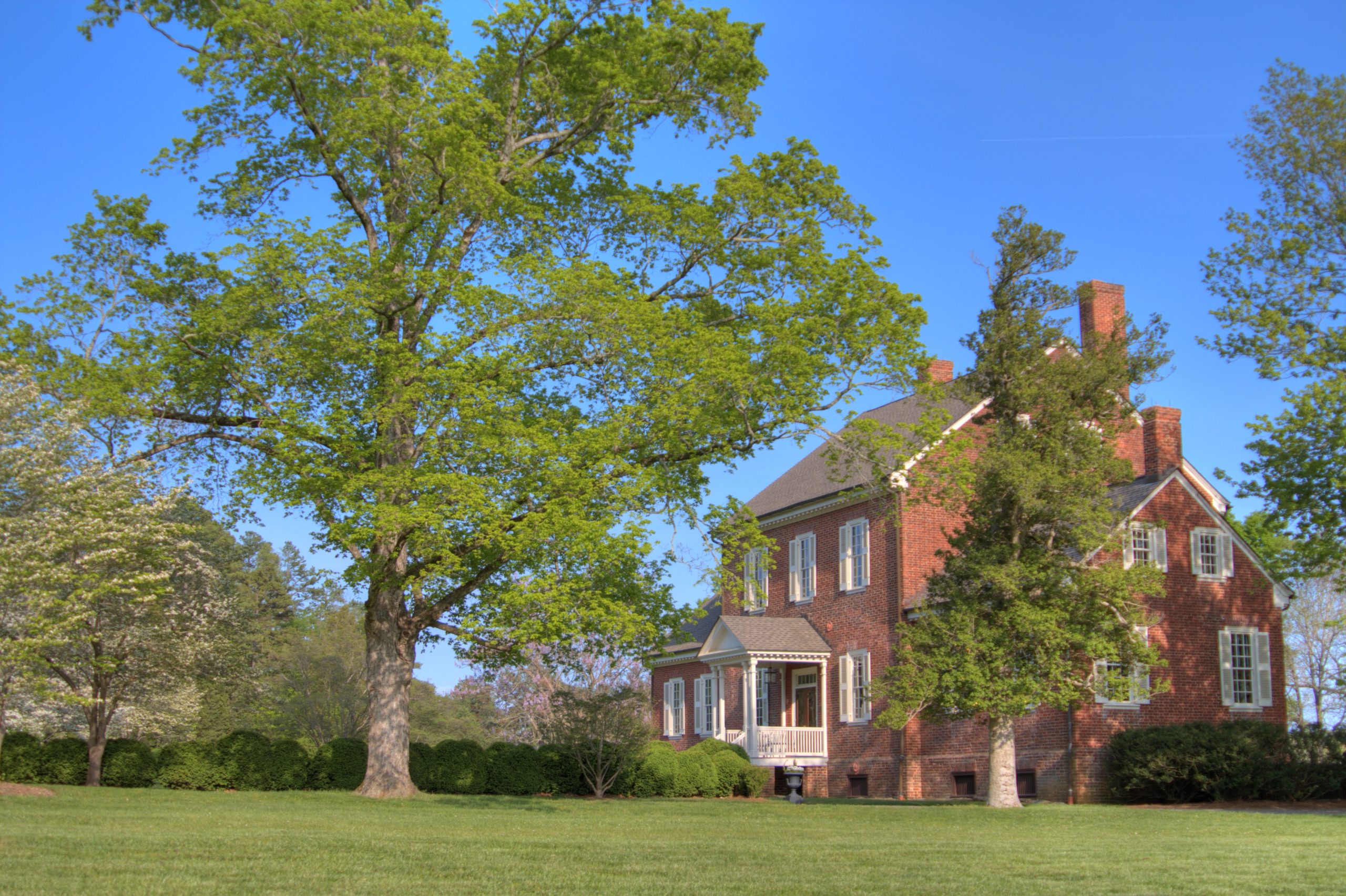
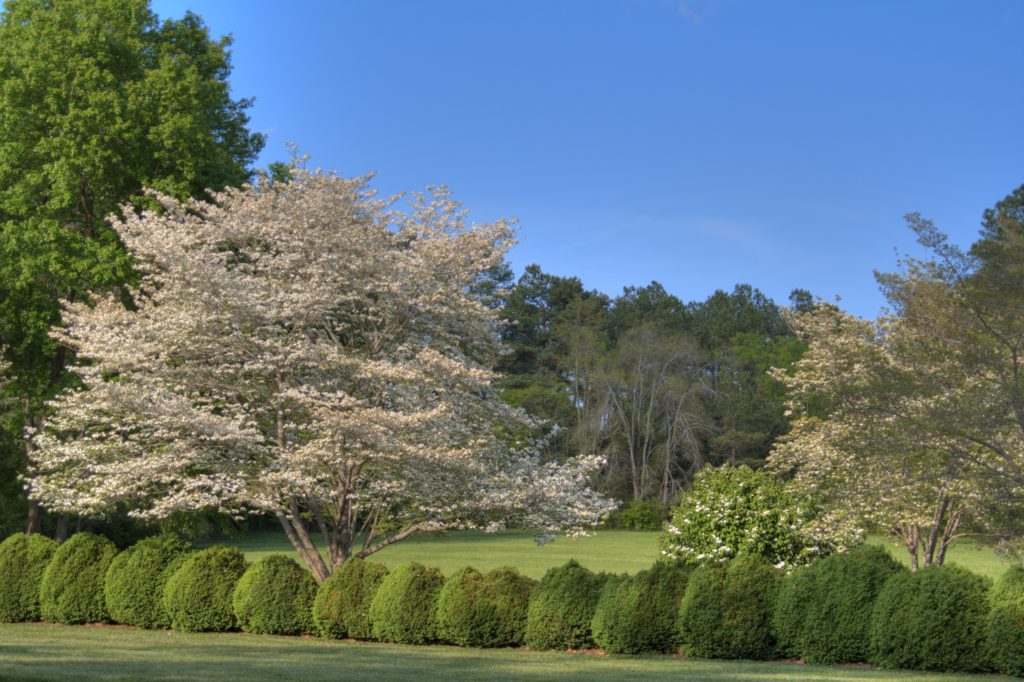
Displeased with the thought of a four-lane cutting through the viewshed of Ayr Mount still, PNC’s president at the time, Myrick Howard, utilizing Section 4(f) of the Department of Transportation Act of 1966, testified that Ayr Mount, a public park with extensive trails, parking, and other recreational amenities, required protection. 4(f) saved the acreage along the Eno River and bordering the Ayr Mount property (all of which went under the ownership of Classical American Homes Preservation Trust). Decades later, the property has been acquired by the State of North Carolina as part of the Eno River State Park, and Ayr Mount was saved from a highway project, which more importantly resulted in an incorporated historic public park.
Condensed and summarized from the book Buying Time for Heritage by J. Myrick Howard | UNC Press, 2023