

October 2026 Policy Update: Take Action
This summer, Preservation North Carolina and our state and local preservation partners learned of a massive threat to rewrite Section 106, a federal law enacted in 1966 which organized tools to enhance preservation efforts and create a deliberate process to ensure that our own government wasn’t destroying our history. We’ve been monitoring this situation closely and sharing updates and action items as we have them. Learn more about Section 106 here; see an example of its importance here; and read our last action alert here.
Update from President and CEO Benjamin Briggs on the Bipartisan American Affordability and Jobs Act of 2026
Currently at Preservation North Carolina, we have heightened concerns about new proposed legislation that affects Section 106. We are holding discussions with our advocacy partners and the National Trust for Historic Preservation to better understand the implications. We are committed to vocalizing our concerns publicly as we continue our own focused mission work of protecting our state’s historic properties through protective covenants and easements.
New legislation was introduced last week in the Senate as a bipartisan permitting package titled Bipartisan American Affordability and Jobs Act of 2026 (BAAJA). The Act proposes the most significant structural changes to Section 106 of the National Historic Preservation Act (NHPA) ever. Senators plan to vote on this fast-tracked legislation on November 9th, their first day back in this year’s “lame duck” session. Current requirements of Federal agencies to notify the public about projects that may impact historic and cultural resources have been deleted in this new draft. Supporters say it will cut red tape and speed projects, but faster does not always result in better solutions. In fact, many projects benefit from reviewing its overall impacts and considering feedback from community stakeholders.
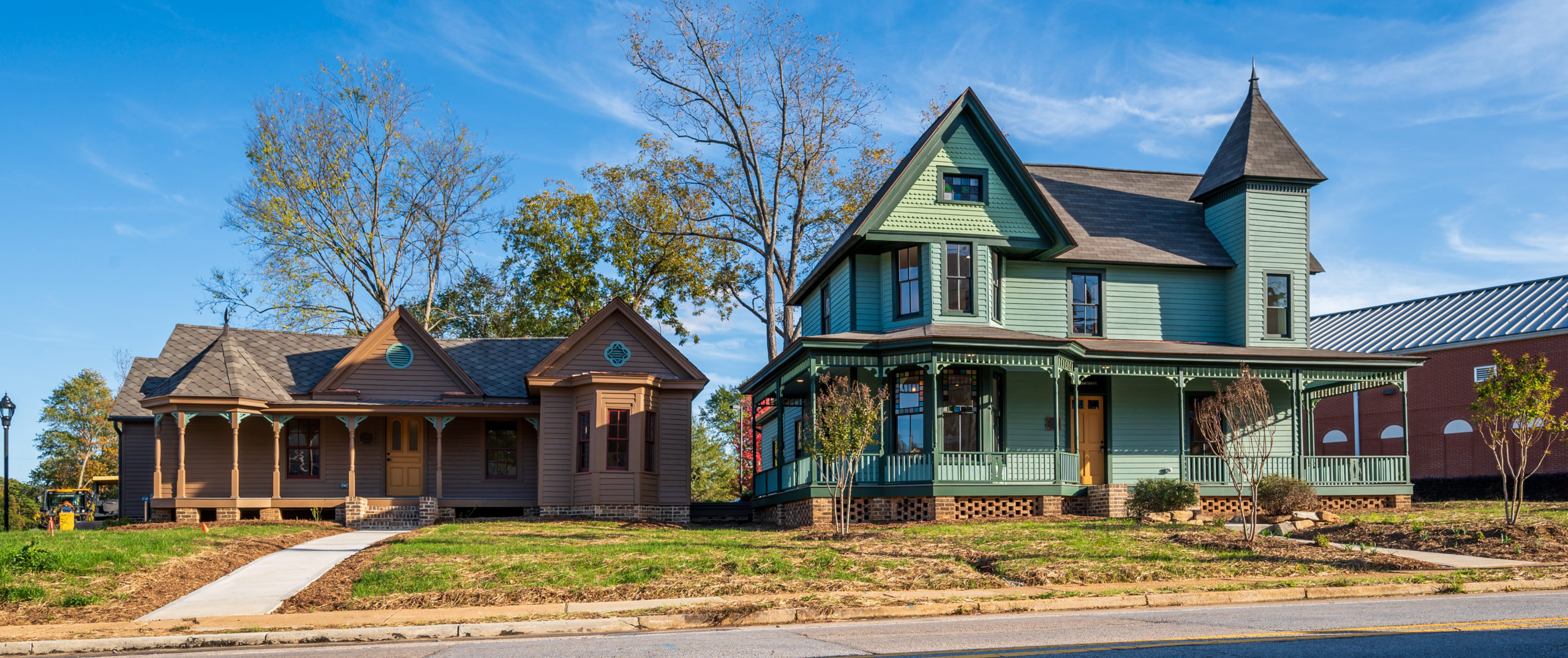
Section 106 has led to thoughtful preservation and repurposing alternatives. In Hillsborough, a proposed highway corridor was reused as a public park along the Eno River. High Point’s J. H. Adams Inn and Oxford’s beloved Sanctum Coffee and Wine bar are historic buildings that were threatened with demolition for new bank branches; thanks to Section 106 Review, both were saved and restored. All of these places are now points of community pride, contribute to the community’s character, and have been revenue generators for the local economy. Without the review process that Section 106 requires, all three would have been lost.
Preservation North Carolina opposes the proposed revisions as drafted and urges lawmakers to consider the implications of efforts to fast-track decisions on due process, public participation, and rights of local communities. As the National Trust reports,
“the proposal would give federal agencies significant authority to end the Section 106 process based on their own unilateral determination that other considerations outweigh historic preservation. Consultation could effectively end when a consulting party does not respond within prescribed deadlines, with the agency permitted to proceed without reconsidering earlier findings. These provisions risk transforming consultation from a meaningful opportunity to identify concerns and develop solutions into a largely procedural exercise.”
Help us take action.
Senators plan to vote on this fast-tracked legislation on November 9th, their first day back in this year’s “lame duck” session. We need 41 Senators to say NO to hasty major legislation and participate in producing thoughtful solutions that do not accomplish expediency at the cost of losing citizens’ voices. North Carolina Senators need to hear from you. North Carolina House members information is also available .
Learn more from our preservation network in High Point.
During our annual conference later this month, Preservation North Carolina will be holding a session, Navigating the Threats to Section 106, to discuss where things stand and what new action steps will be needed as the proposed changes to Section 106 continue to evolve. Considering joining us!
This Preservation North Carolina news article was originally published on presnc.org on October 8, 2026