

America 250 July | Textile Mills and Villages
This series is part of our America 250 Across NC celebration where Preservation North Carolina shares our state’s contributions to American History through the varied stories of historic preservation.
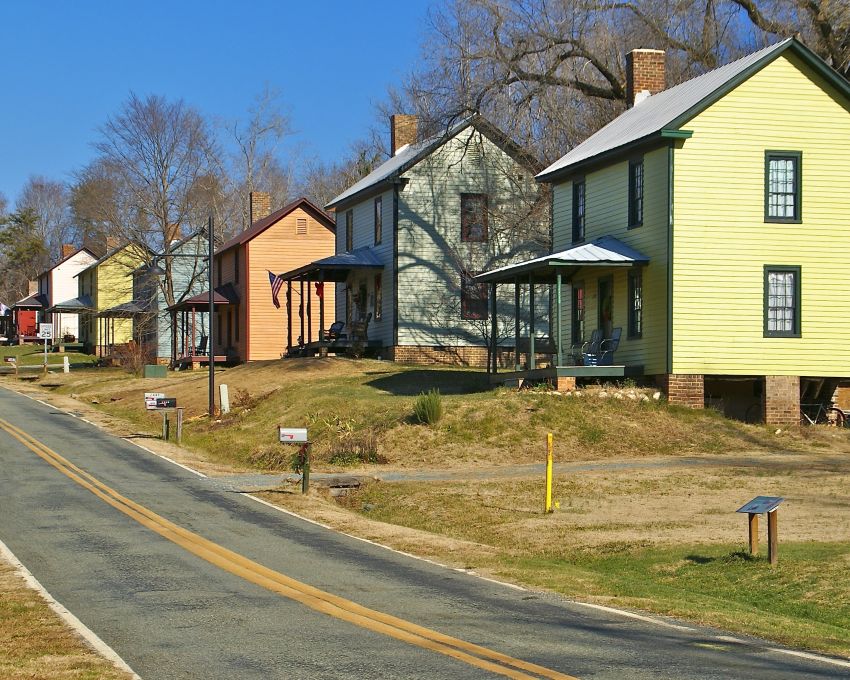
A Look at North Carolina’s Deep Rooted Textile Mill Communities
The textile industry drove North Carolina’s Industrial Revolution, transforming the state from an agrarian economy to the leading textile-producing state in the nation by value for most of the 20th century. The industry was established in our state in the early 19th century, driven by cheap water power, nourished by local capital, and enhanced by skilled management that was often imported from New England. The state’s journey began in 1813 when Michael Schenck built the state’s first cotton mill in Lincoln County and evolved quickly with major piedmont families: Henry Humphrey’s Mount Hecla cotton mill in Greensboro (1834); the Elliott brothers’ Cedar Falls mill in Randolph County (1836); Francis Fries’ Salem Cotton Manufacturing Company in Forsyth County (1836); Edwin Holt’s Alamance County Mills (1837); the Concord Manufacturing Company in Cabarrus County (1839); John Motley Morehead’s Rockingham County Island Ford Mill (1840); and Thomas Tate’s Mountain Island mill in Gaston County (1848).
North Carolina’s economy was transformed during the Reconstruction Era and was led by textile titans such as James William Cannon, Pleasant H. Hanes, Ceasar and Moses Cone, and Spencer Love. The state’s textile industry reshaped cities and towns through the establishment of large employment centers and mill villages, social activism through strikes, and civic affairs through philanthropy and leadership.
Over the past 40 years, Preservation North Carolina has partnered with historic property developers to preserve and reuse important examples of textile history in our state, including three complete mill villages. Each site is protected by our preservation covenants to ensure they will continue to tell the important story of North Carolina’s significant Textile Era.
Click the images below to learn more about each project!
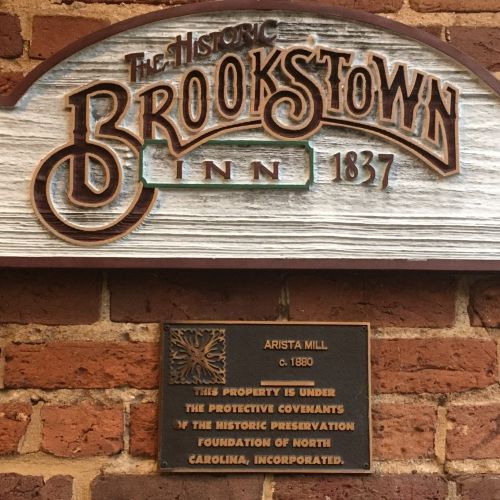
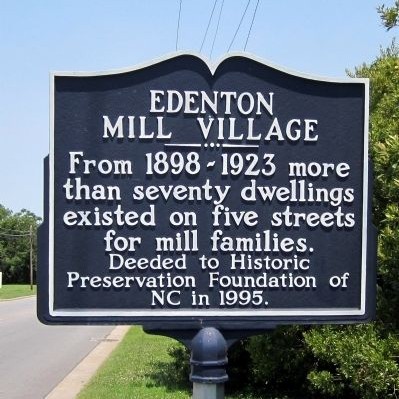
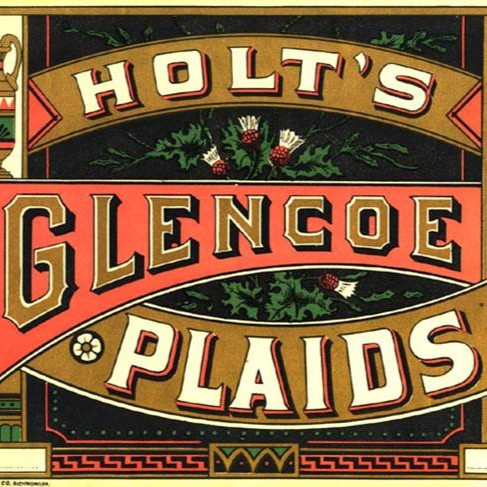
To deep dive into all the preservation facets of these monumental projects, purchase a copy of Buying Time for Heritage, written by PNC President Emeritus Myrick Howard.