Get to Know: Edenton Cotton Mill & Mill Village
This series is part of our America 250 Across NC celebration where Preservation North Carolina shares our state’s contributions to American History through the varied stories of historic preservation. July’s theme is textile mills and villages being used in different ways today while maintaining their original significance.
Get to Know: Edenton Cotton Mill Village
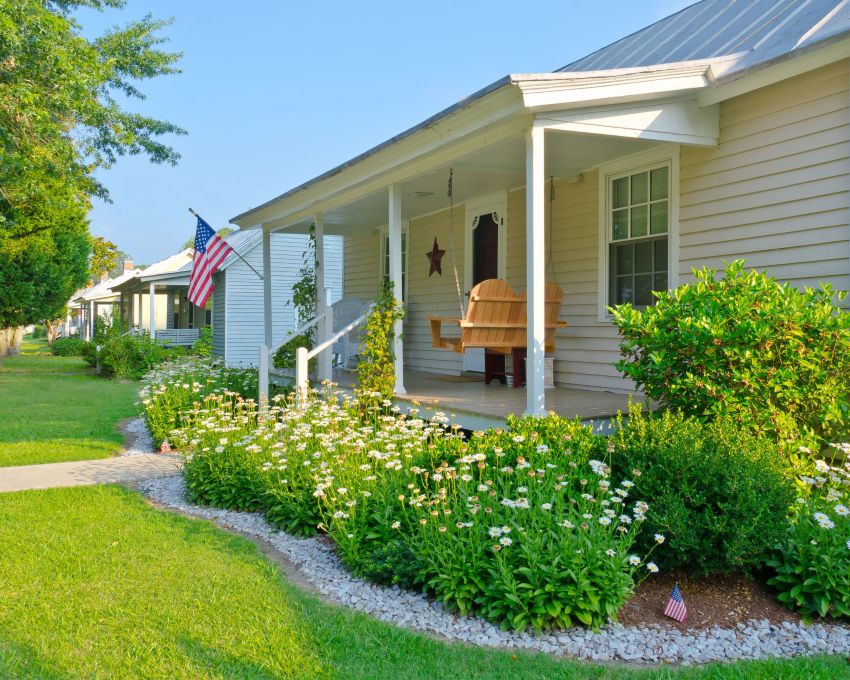
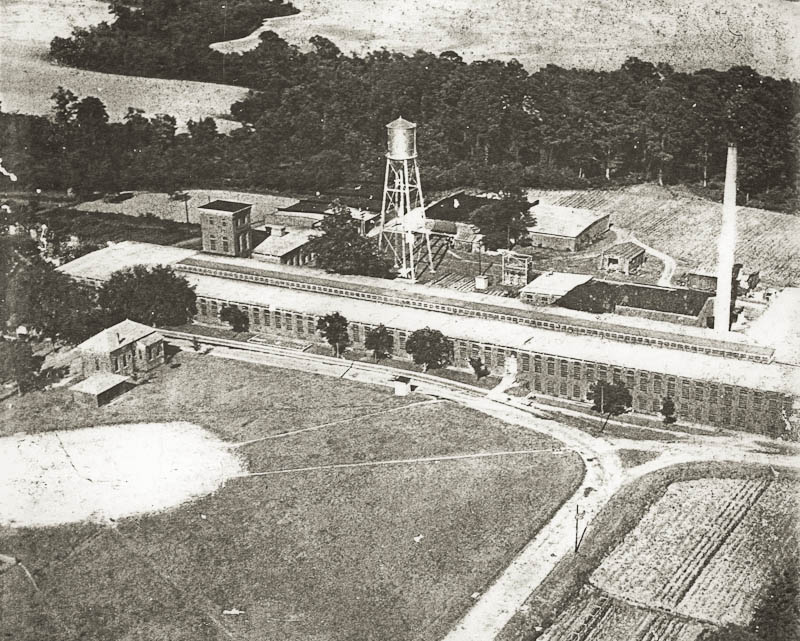
The first full-scale mill community that was preserved through PNC’s Endangered Properties Program was the Edenton Cotton Mill Village. The community is a compact collection of buildings associated with the Edenton Cotton Mill Company that is centered on a large brick mill building and its associated brick office. Other structures include a brick-veneered church and fifty-seven frame dwellings erected for mill managers and workers in an eight-block area on the eastern edge of Edenton. The yarn and thread company was formed in 1898 by local investors who sought to participate in the state’s booming cotton textile industry and to keep profits local.
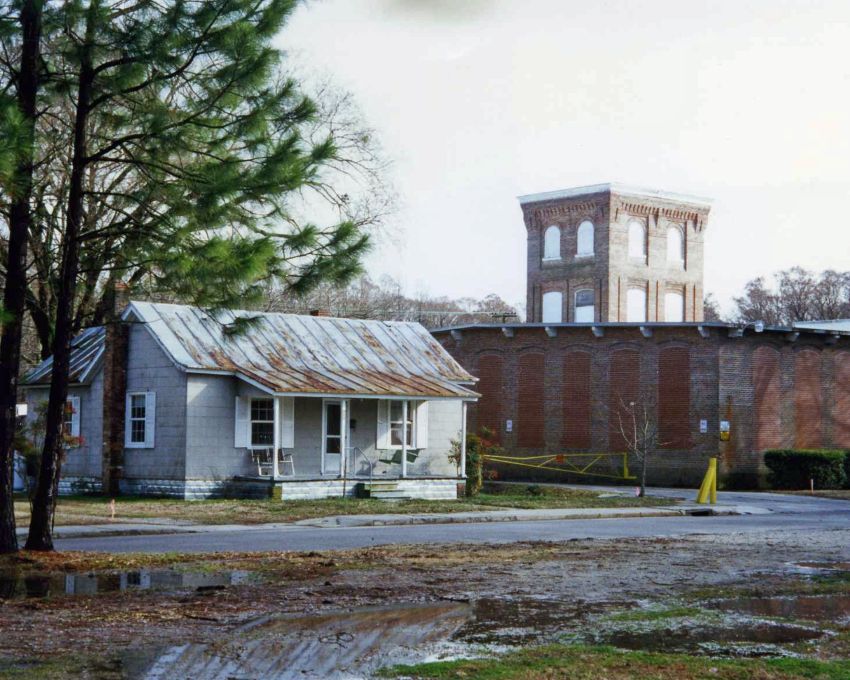
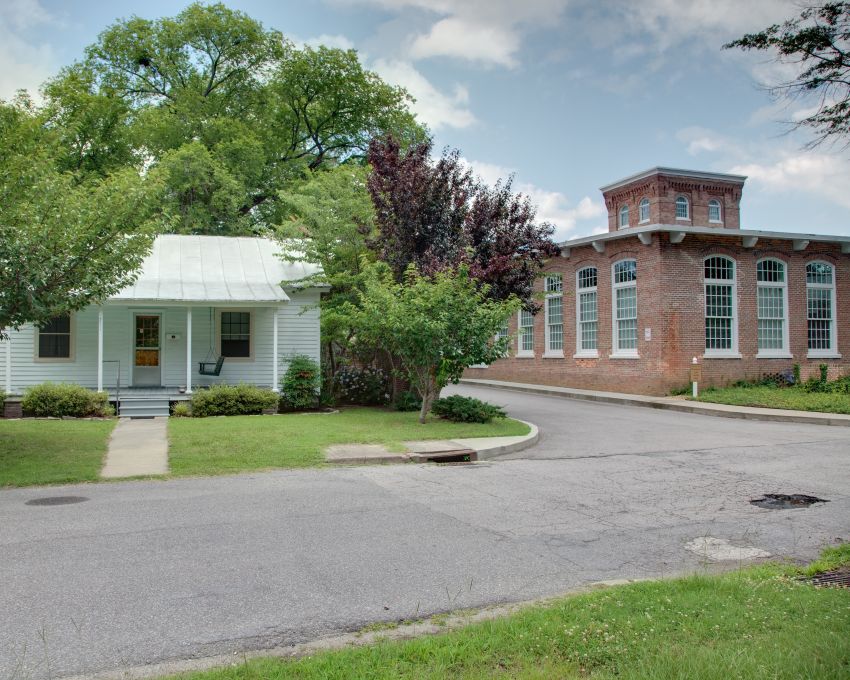
Photo by JR Schwaller, Capital City Camera Club
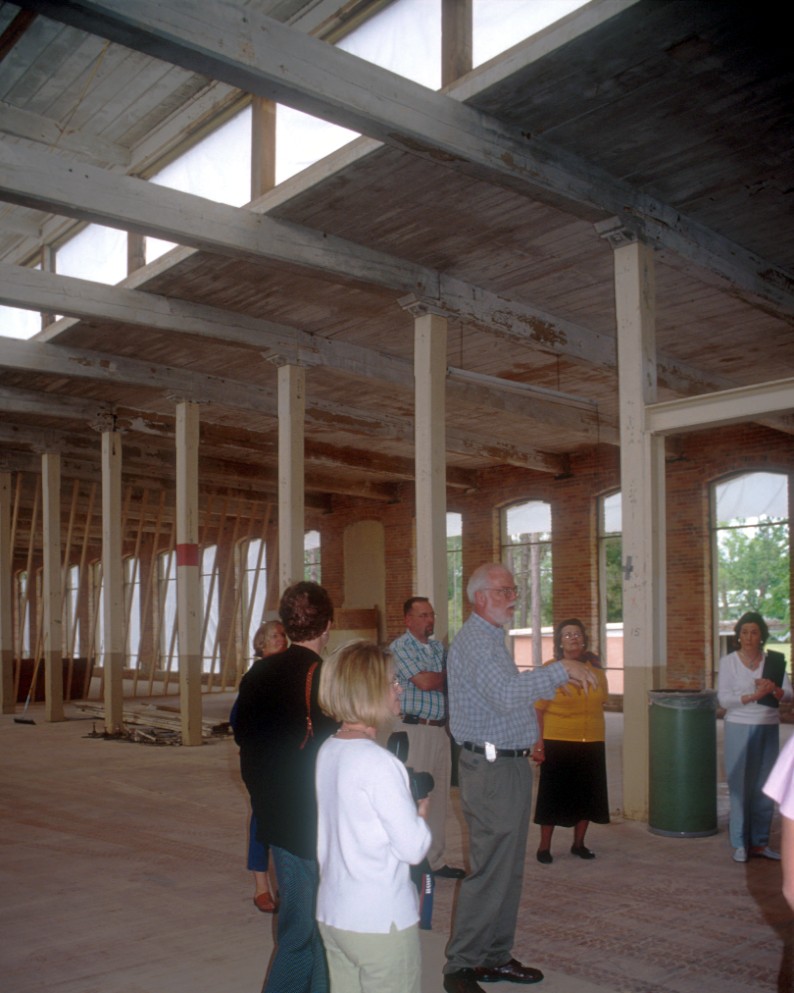
PNC’s board of the mill renovation in progress
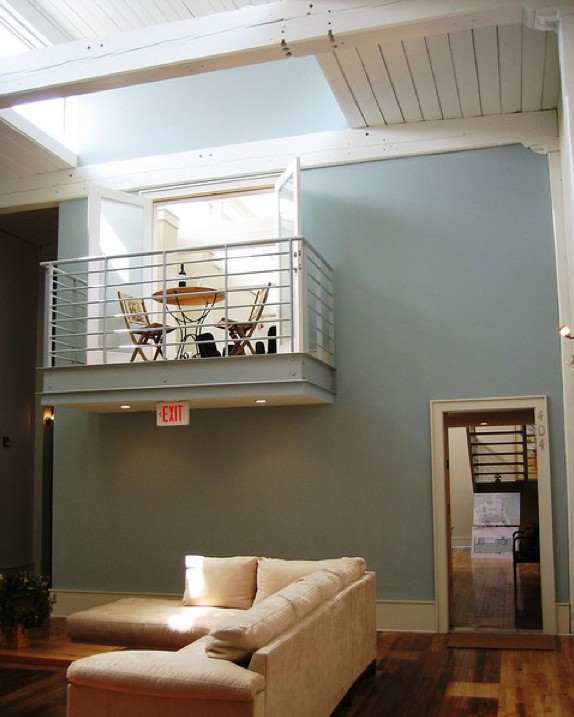
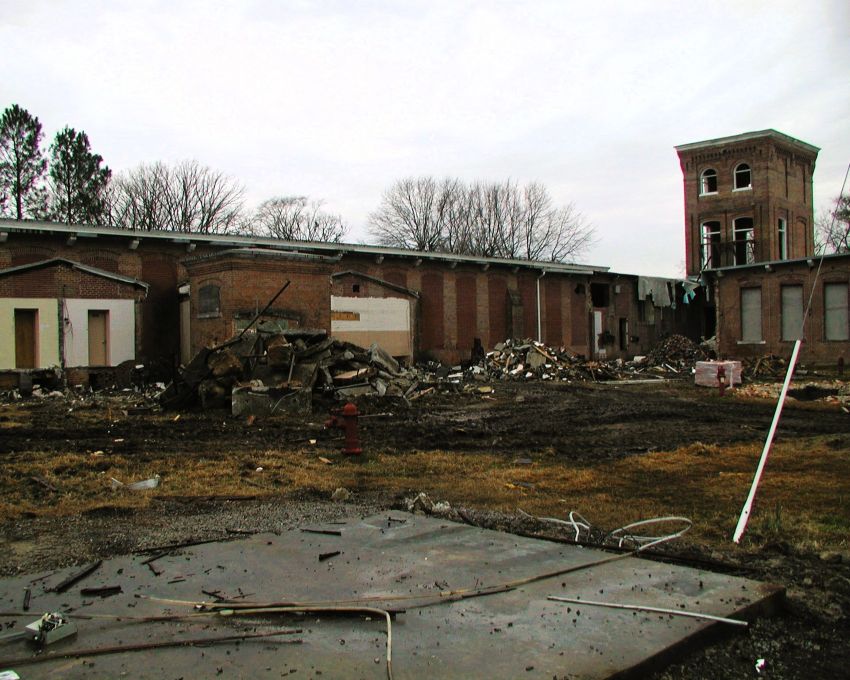
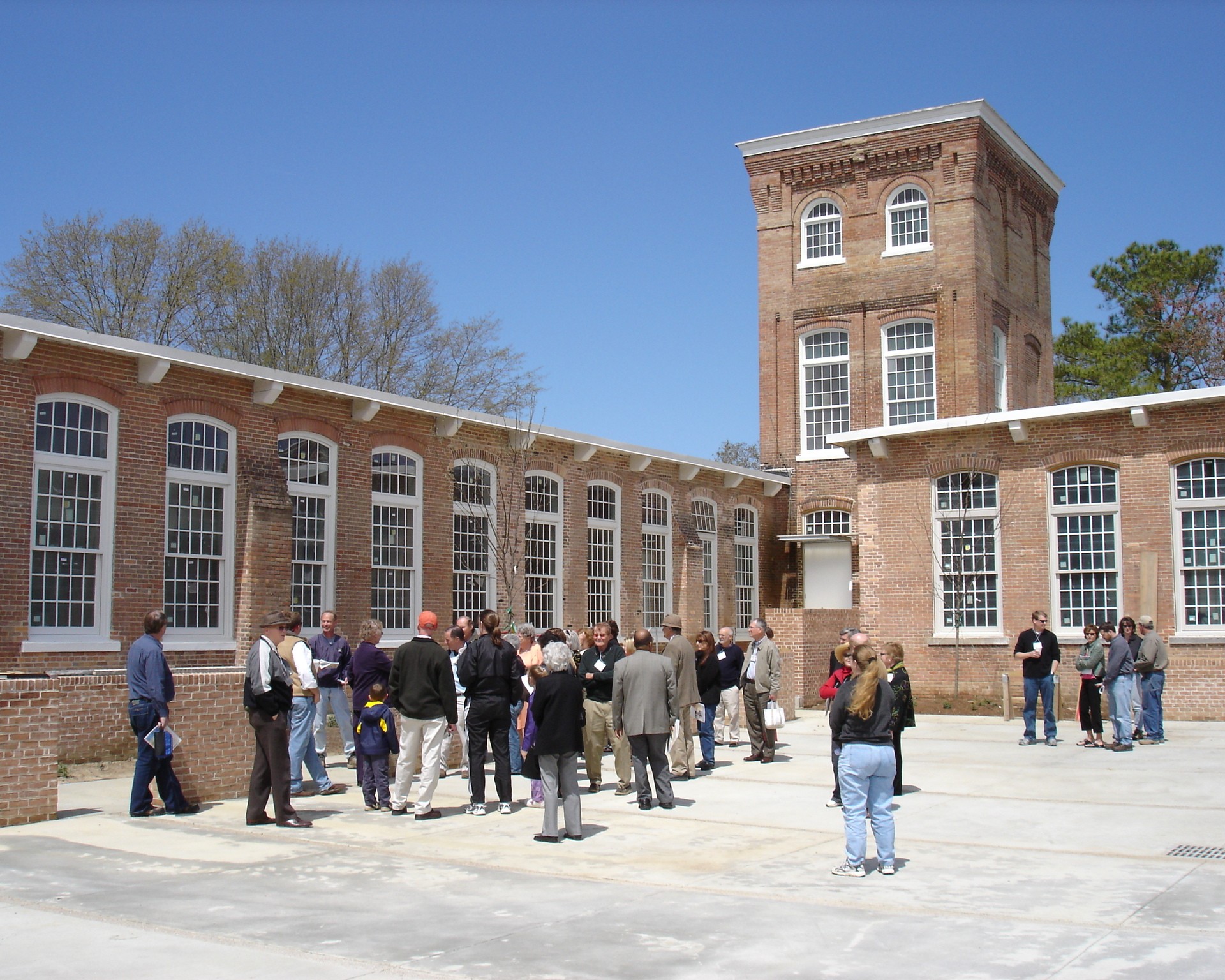
The mill was designed by the C. R. Makepeace Company of Providence, Rhode Island. A native North Carolinian, Charles R. Makepeace was one of the nation’s foremost designers of textile plants and mills. His firm designed more than 250 plants in twenty-four states, of which five remain standing in North Carolina. Work began in 1899 on the coal power mill. Concurrent with the construction of the mill was the building of the first of the dwellings of the mill workers. The earliest three-room houses were soon joined by five-, six-, and seven-room houses, when manufacturing operations began in January 1900.
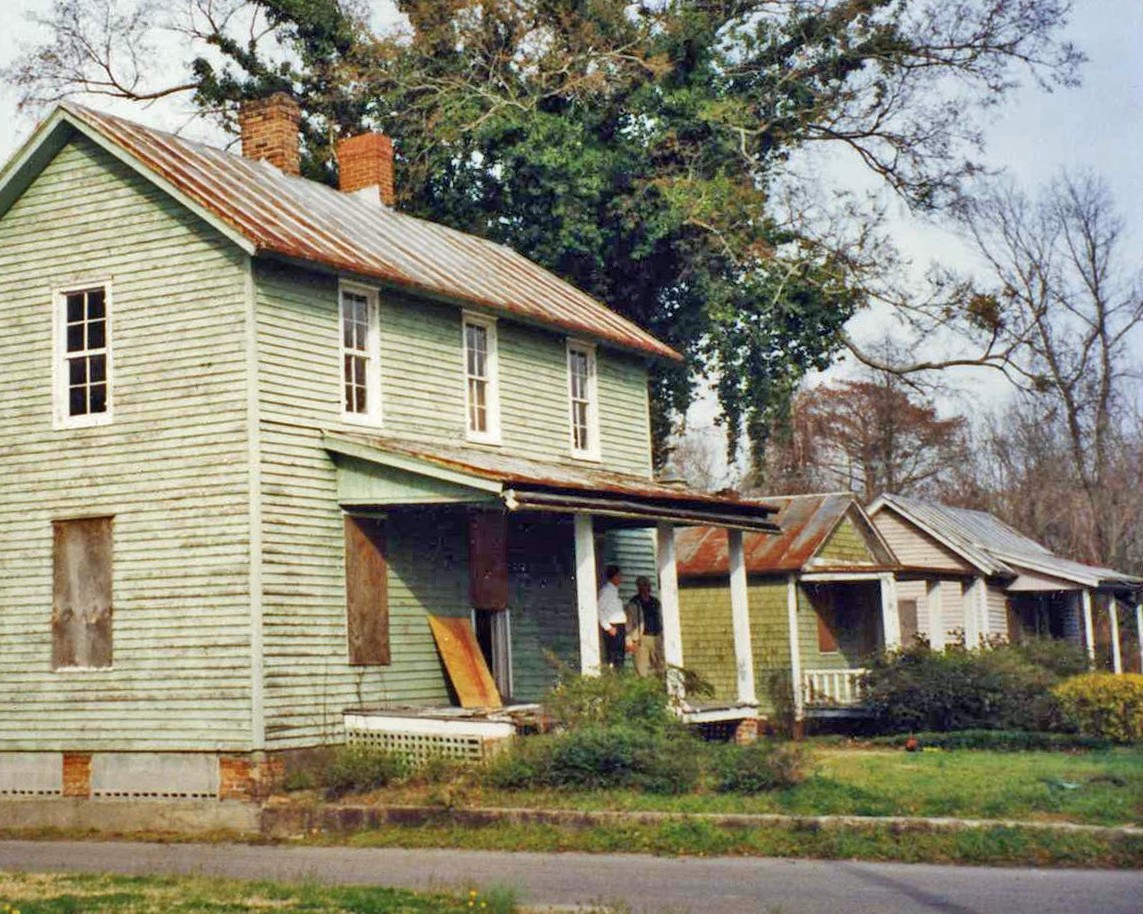
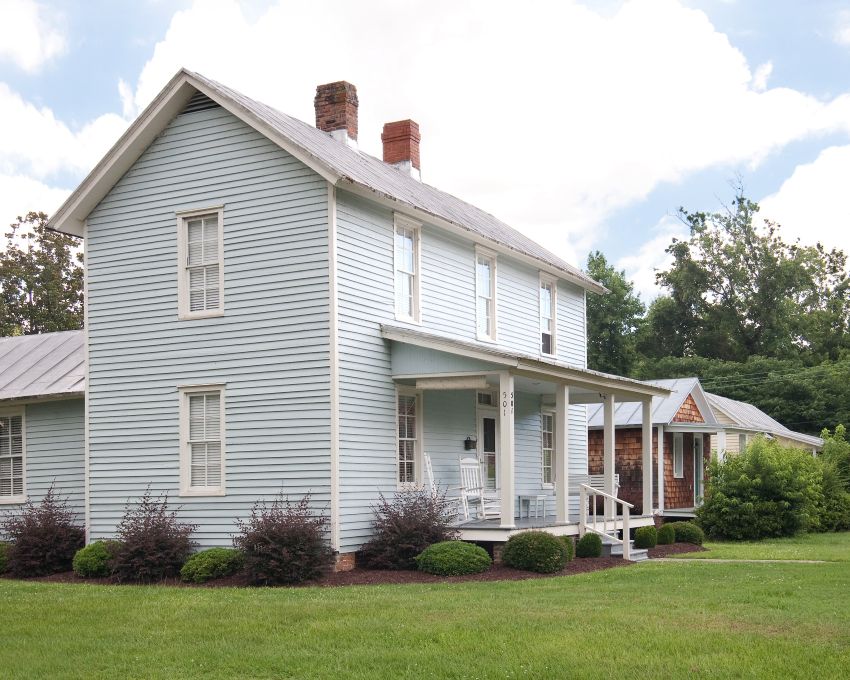
Photo by D. Cicone, Capital City Camera Club
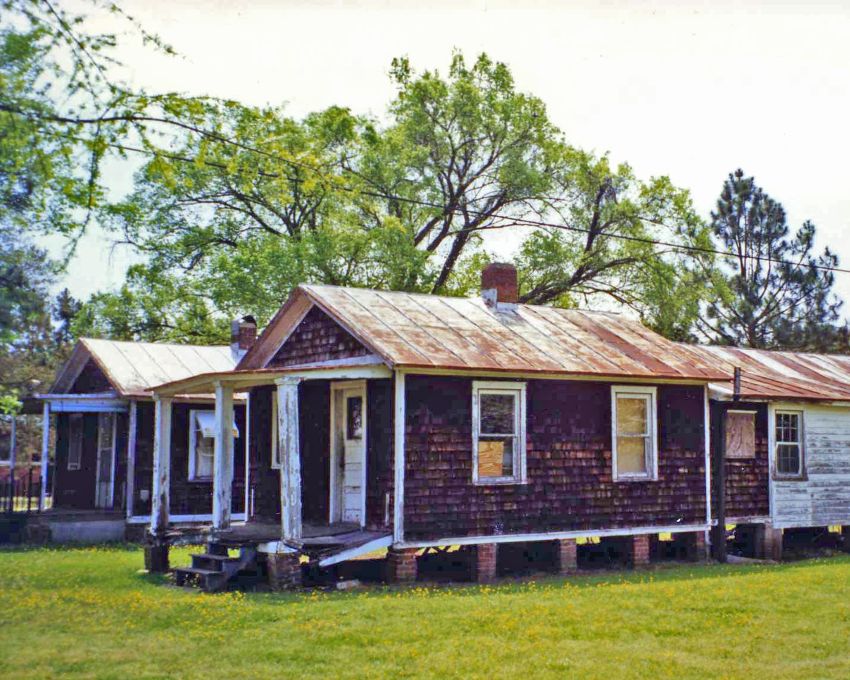
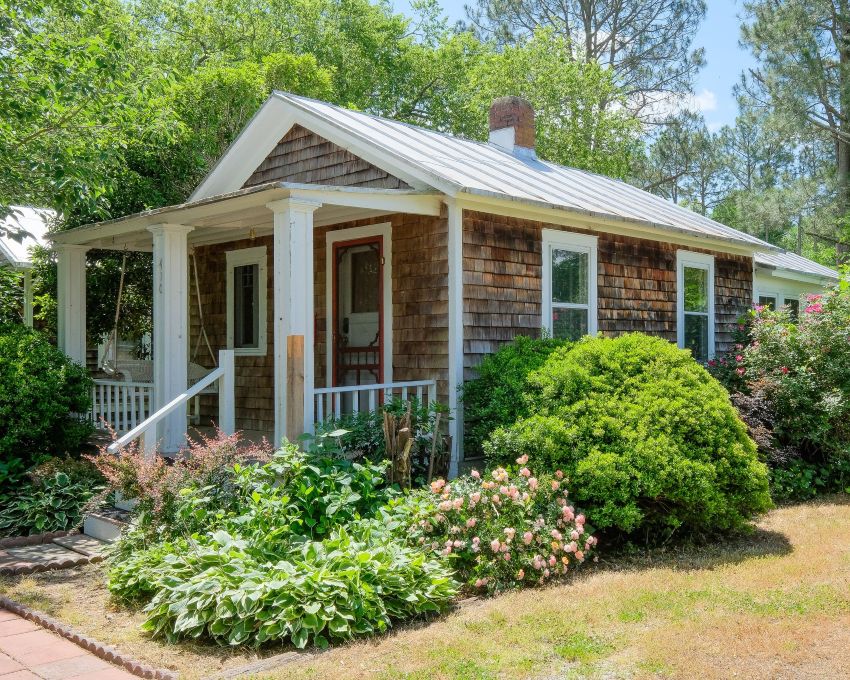
Photo by Kip Shaw
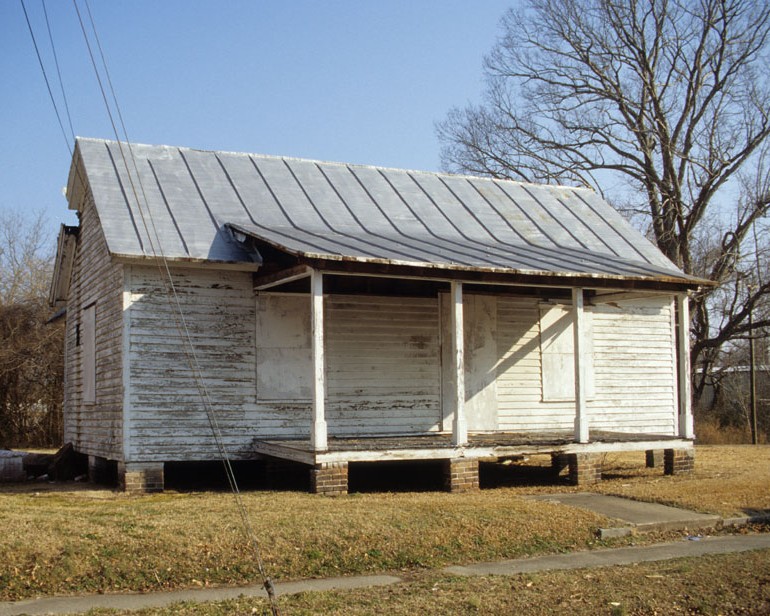
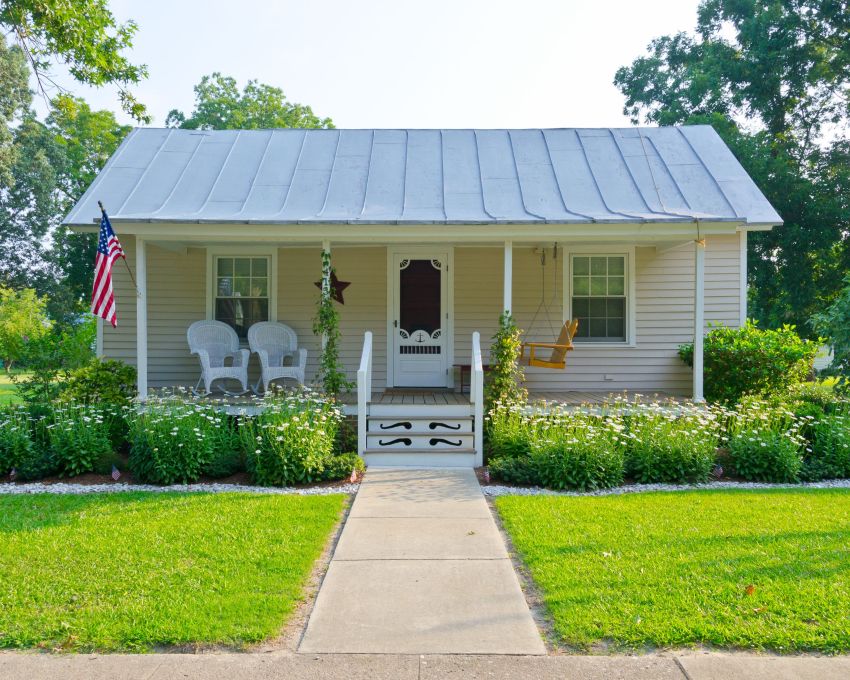
Photo by Kip Shaw
In the 1930s, the Great Depression saw a constant decline in the price of cotton and a greatly decreased demand, which pressured mill owners to reduce working hours to only three or four days per week and to reduce wages by ten percent. Despite these conditions, the mill never closed during the national labor strike of 1934 as workers maintained their loyalty to the company. In 1990, the mill was sold to Pioneer Yarn Mills of Sanford, which was later acquired by Unifi, Inc. of Greensboro.
The mill closed in 1995, and the entire community was donated by Unifi to PNC the following year. The 44-acre complex included 57 mostly vacant mill houses, the vacant mill, mill office and church, the historic ballfield – even the streets and sidewalks. A series of studies and designs resulted in the concept of mill village redevelopment for primarily residential uses. Through the use of PNC’s protective covenants, the neighborhood retains a high degree of its original architectural and landscape fabric today.
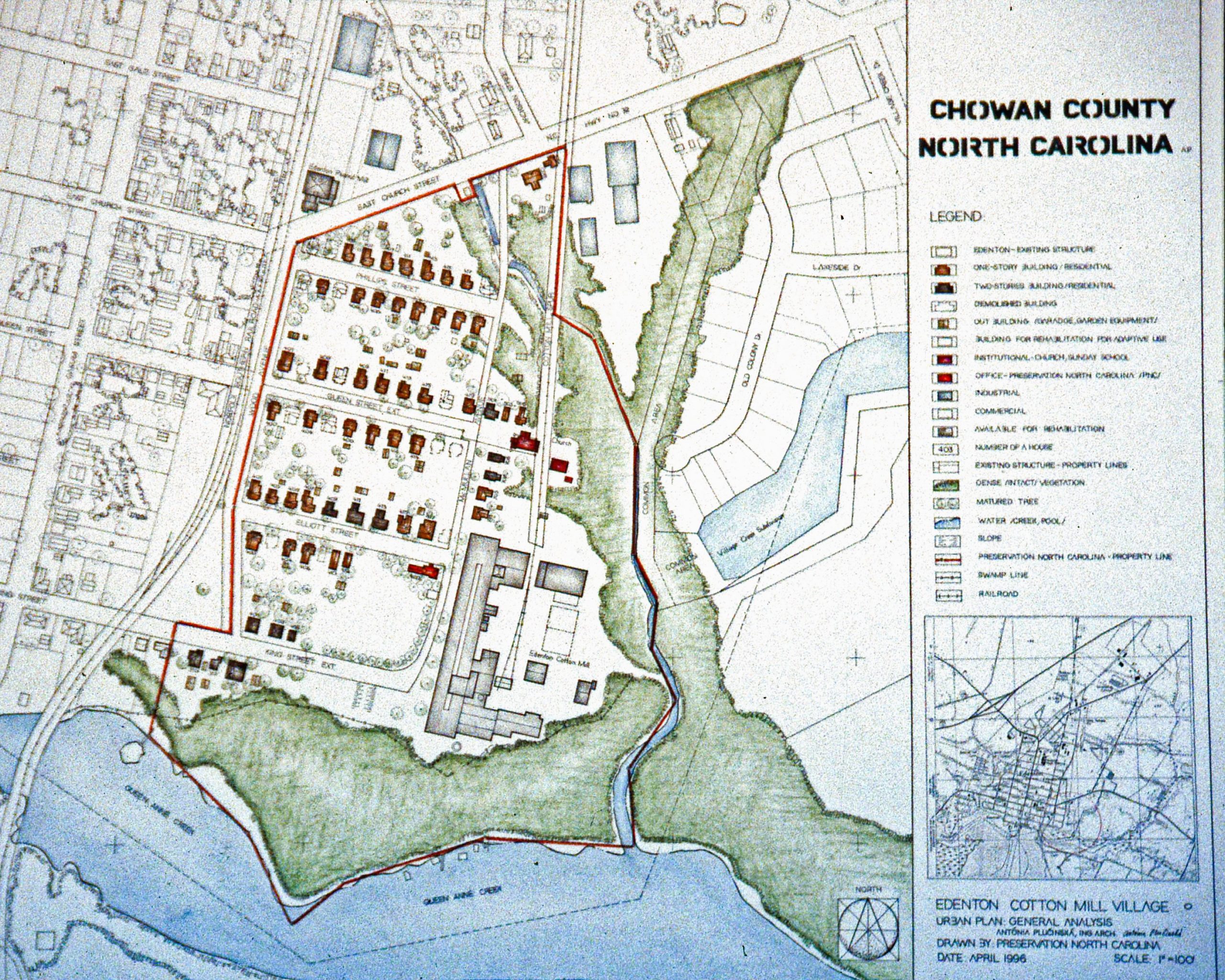
If PNC hadn’t accepted the donation of the property, the site would likely have been cleared and sold for new development. The preservation project was a huge success that has received national attention, and the numbers tell the story: in 1996, the tax value of the mill village was $610,485, and the mill was valued at $840,845. Now those same properties are worth more than $40,000,000. The project demonstrated the incredible economic impact of community re-investment through historic preservation and the use of historic tax credits.
Many, many partners helped make the project possible. PNC remains enormously grateful to the devoted preservation community in Edenton. Today, the Edenton Cotton Mill Museum of History helps tell the story of this community.