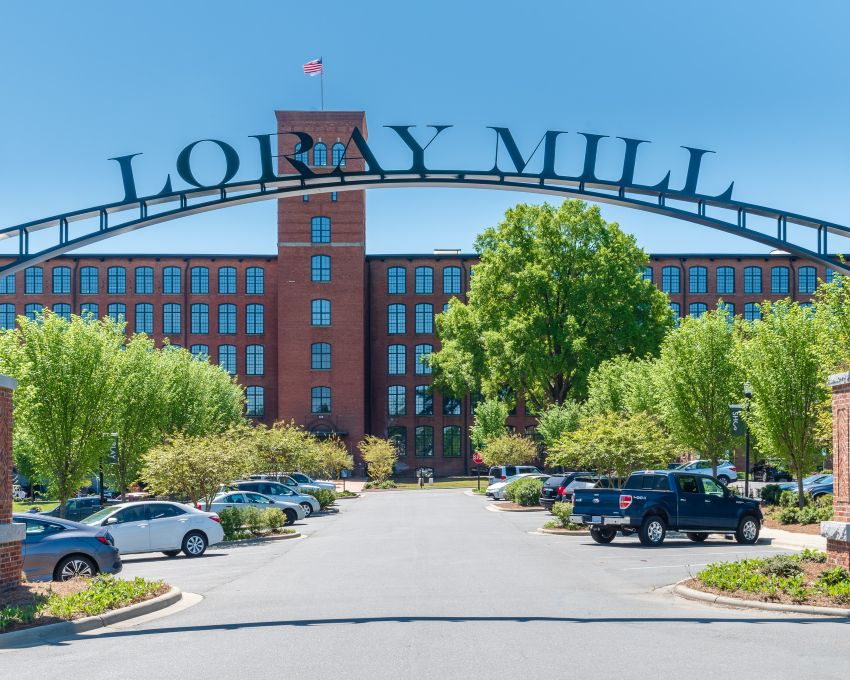
Get to Know: Loray Mill & Mill Village
This series is part of our America 250 Across NC celebration where Preservation North Carolina shares our state’s contributions to American History through the varied stories of historic preservation. July’s theme is textile mills and villages being used in different ways today while maintaining their original significance.
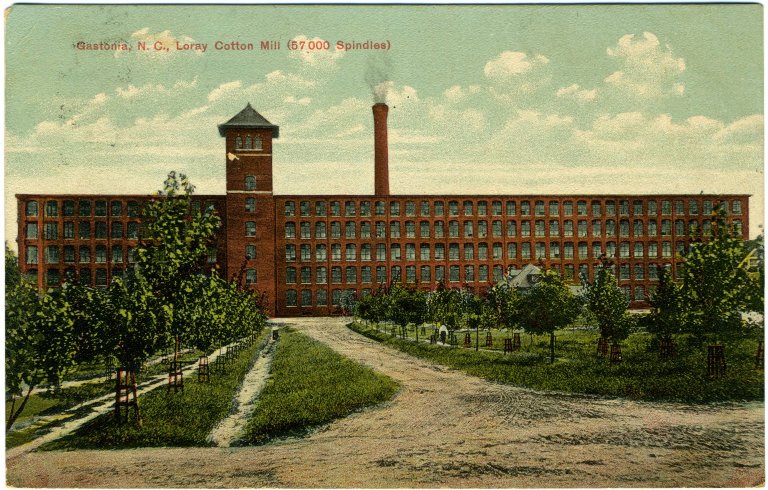
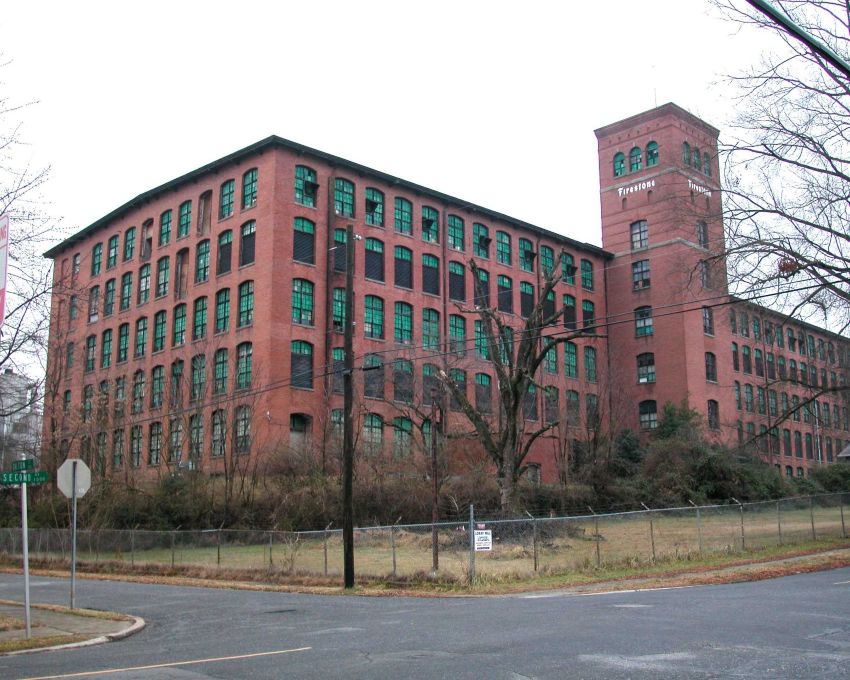
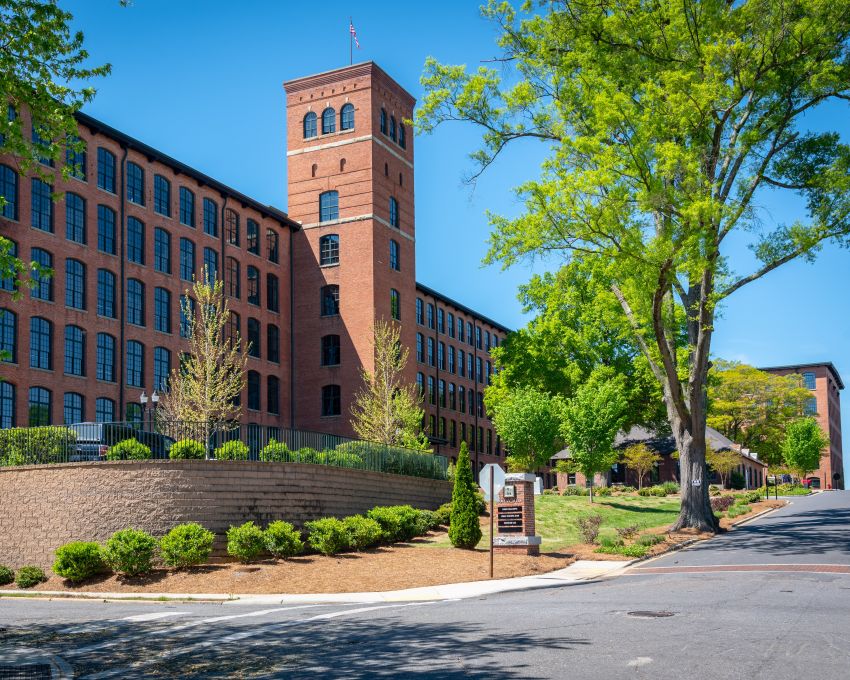
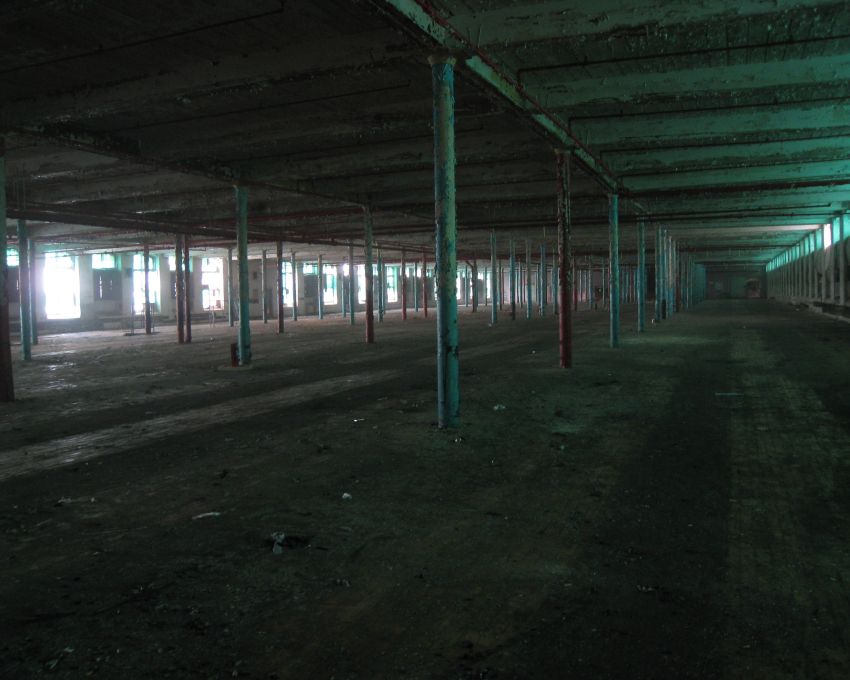
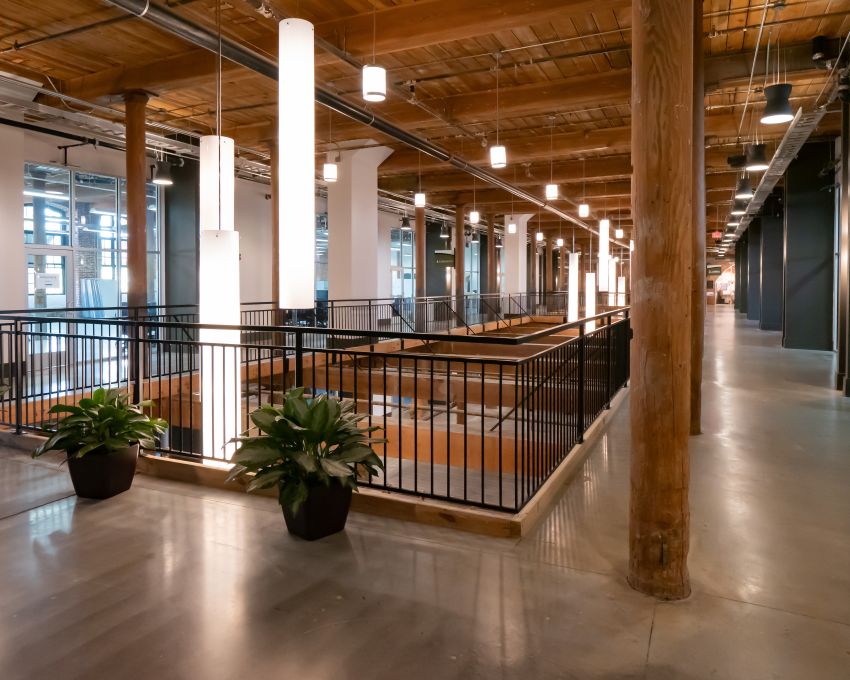
Loray Mill in Gastonia stands as one of North Carolina’s most imposing industrial structures. It was initiated by John Love and George Gray—who created the portmanteau of “Lo-Ray” by combining their surnames. The grand scale of the project quickly earned it the nickname of the “Million Dollar Mill.” The building was built between 1900 and 1901 and was expanded in 1921–1922. To withstand the immense weight and vibration of heavy textile machinery, the five-story building was designed by mill specialist Frank W. Reynolds of the renowned architecture and engineering firm Lockwood, Greene and Company to have heavy timber supports and thick brick exterior walls. A coal-fueled steam engine powered the complex that included 57,000 spindles and 1,660 looms by 1907. To keep the deep interior workspace bright, expansive banks of nine-over-nine windows flood the space with natural light. The architectural focal point is an eight-story Neoclassical entrance tower that dominates the facade.
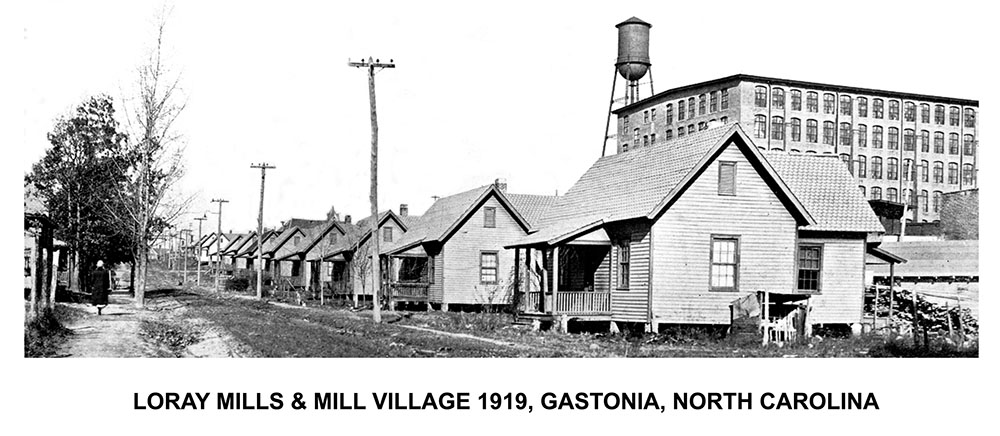
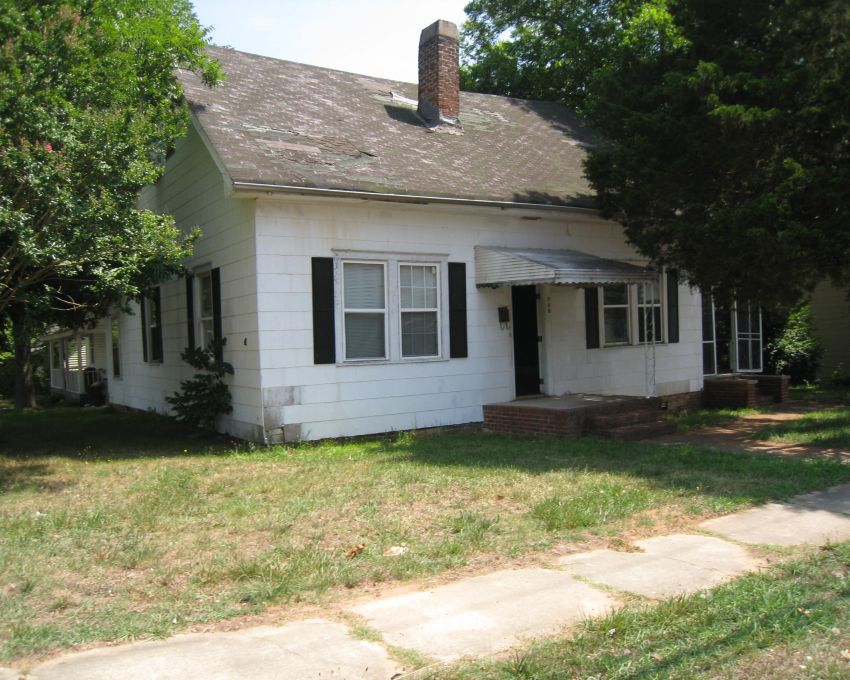
When the first phase of the mill was completed in 1901, Loray Mill was touted as the world’s largest textile mill under one roof, with room to accommodate 1,000 workers. A large mill village neighborhood was established around it with dormitories, duplexes, and more than 500 wood-frame mill houses. Houses were based on a variety of different floor plans that featured small porches, gable roofs, brick chimneys, double-hung windows, and practical room arrangements that were rented to workers.
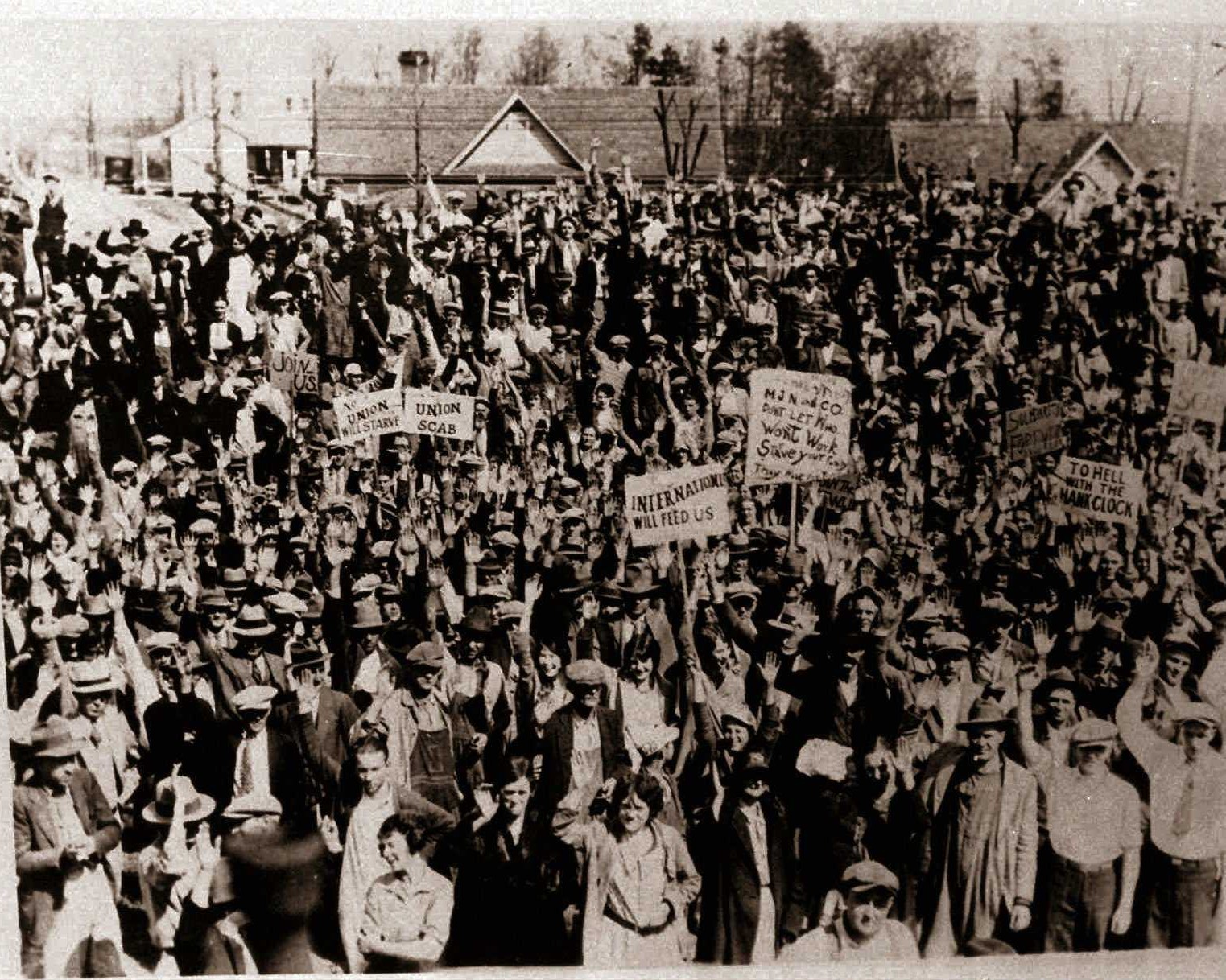
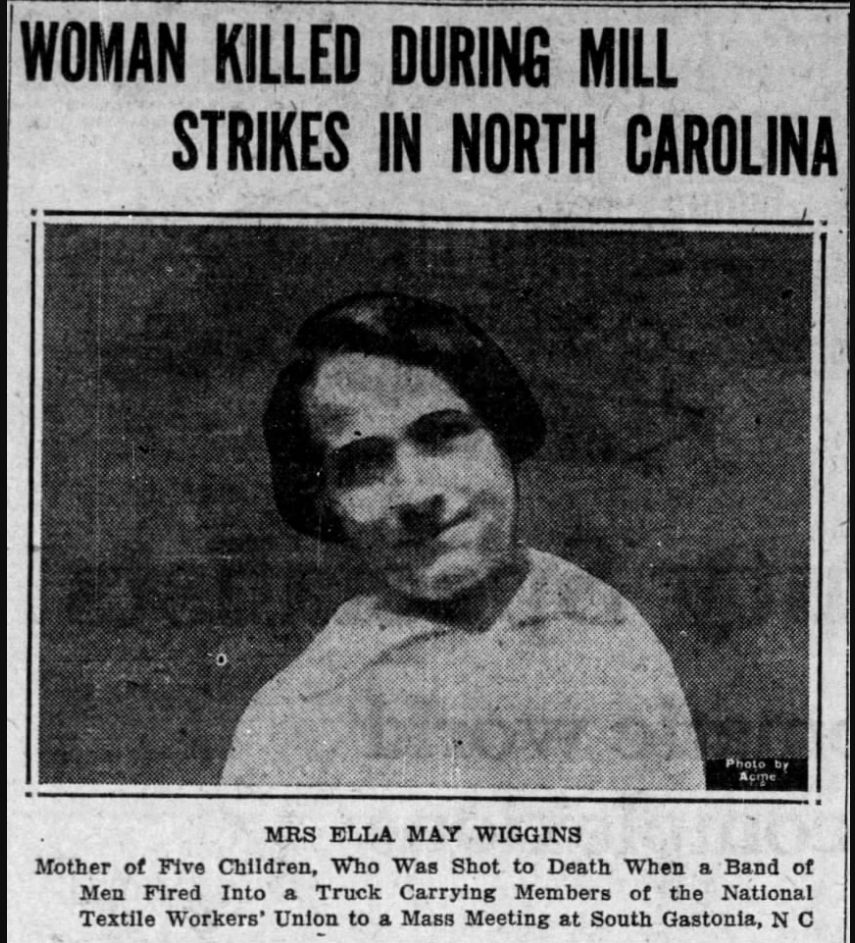
On April 1, 1929, the American Communist Party and its newly formed National Textile Workers Union (NTWU) launched a strike of 1,800 mill workers, putting Gastonia at the nation’s center of workers’ rights and income disparity. While many employees returned to work within two weeks, violence escalated through the spring, culminating in a June 7 riot that killed police chief Orville Aderholt and union activist Ella May Wiggins. The high-profile murder trials received national press coverage but resulted in anti-union backlash that diminished the popularity of local unions for decades.
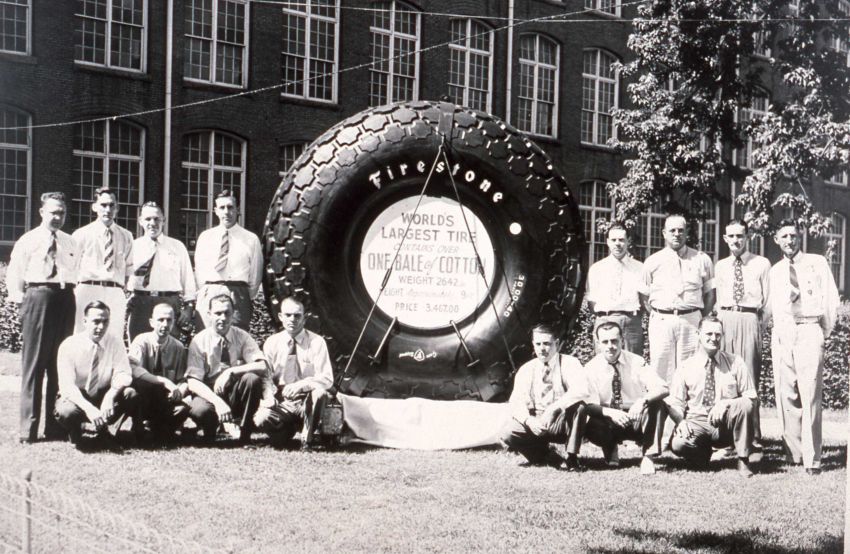
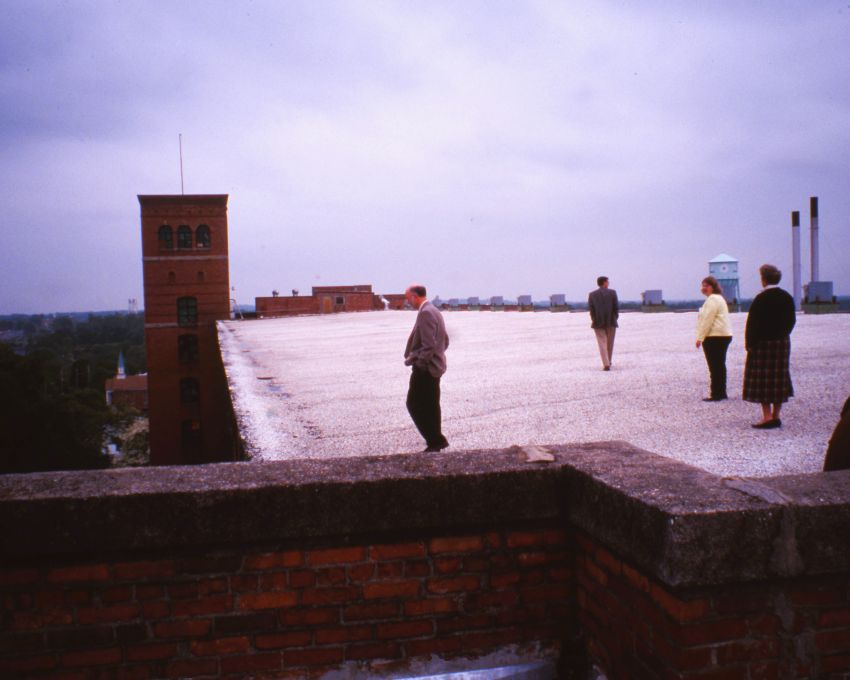
The labor unrest and the subsequent Great Depression forced the mill’s operator, Manville-Jenckes, into bankruptcy. The Firestone Tire and Rubber Company bought the property in 1935 and manufactured tire textiles there until closing the facility in 1993. To prevent demolition, Firestone donated the mill to Preservation North Carolina in 1998 – after PNC board members literally climbed to the roof to assess accepting such a monumental donation.
After a twenty-year effort with many starts and stops along the way, PNC sold Loray Mill in 2012 for residential redevelopment. The project was huge. Rehabilitation expenditures for the first phase were $41,500,000, and the second phase (now underway) will be $24,500,000. Today, the mill contains a mix of residential apartments, a special events venue, and the Gaston County Museum’s Alfred C. Kessell History Center.
Unlike the Edenton and Glencoe projects, revitalization of the surrounding Loray Mill Village followed the mill’s renovation. With proceeds from the mill sale and a Program-Related Investment from The 1772 Foundation, PNC went to work on renovating mill houses in the 500-home working-class neighborhood which had been languishing for years. As with Edenton and Glencoe, PNC fully renovated a model house to help jumpstart the project. PNC also acquired and relocated four houses that had to be moved for parking for the mill project. PNC fully renovated these first five houses which gave the project visible momentum and spurred interest from buyers of additional properties. Ultimately, PNC sold 14 houses around the mill village with protective covenants.
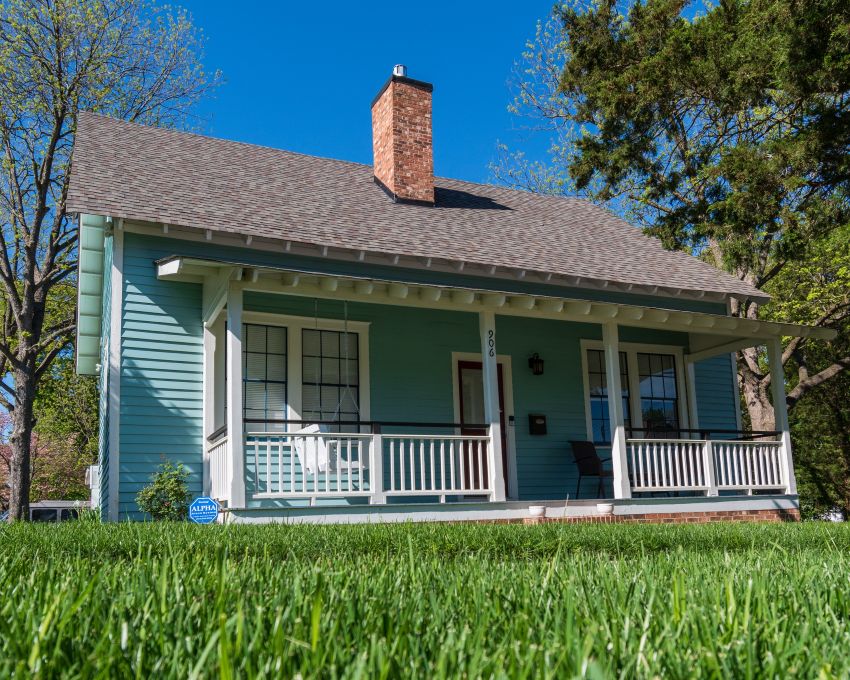
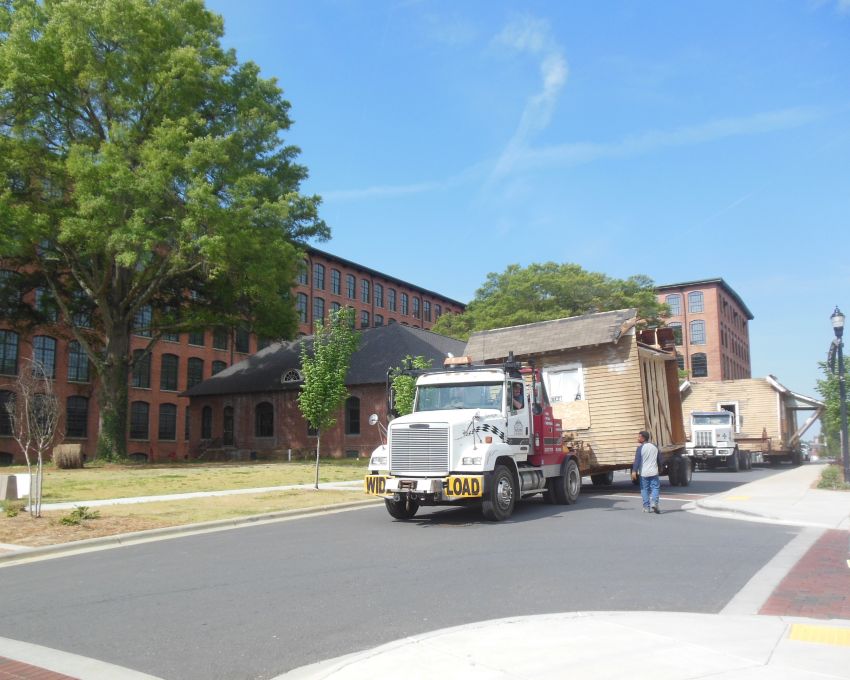
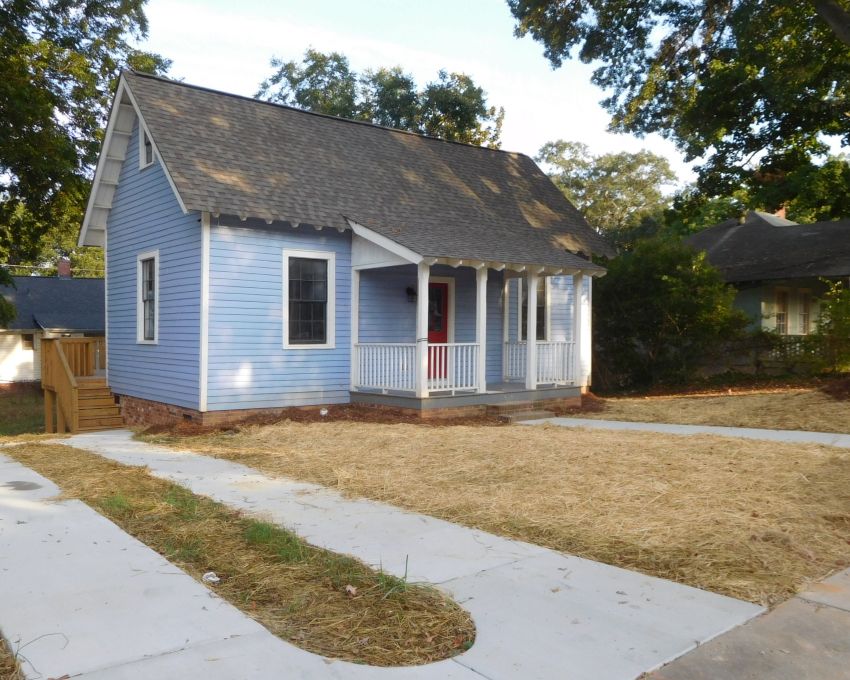
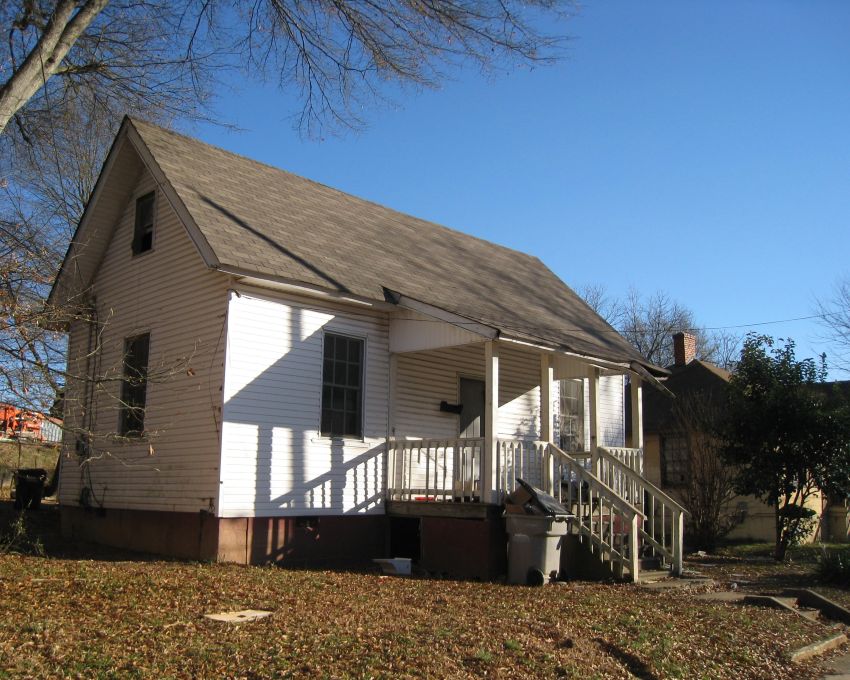
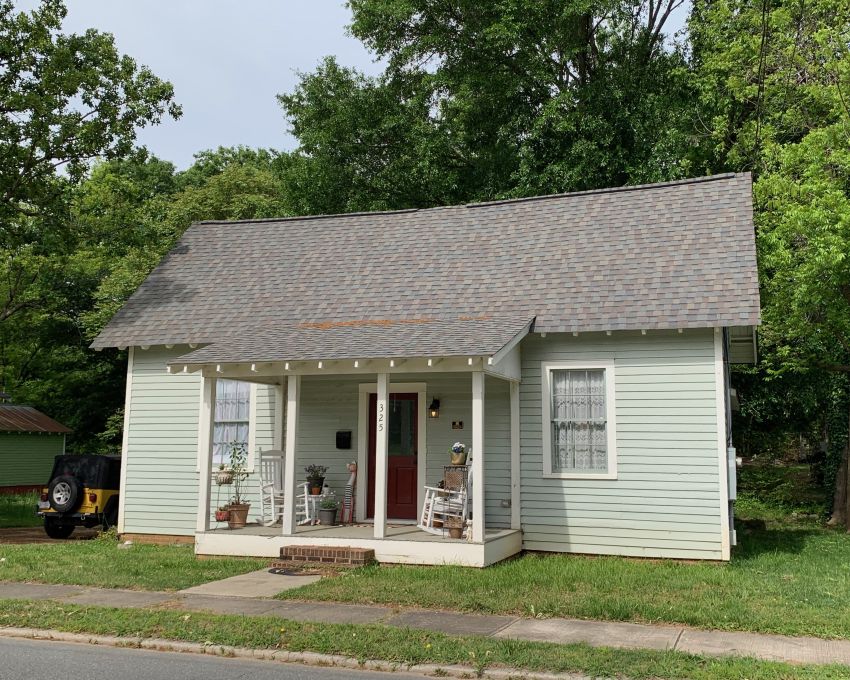
Today, the mill complex and its surrounding neighborhood are an important part of the transformation of downtown Gastonia. A mere block away, the City of Gastonia built a minor league baseball stadium as part of an urban sports and entertainment project, which is anchored by the renovation of yet another historic textile mill. Without the revitalization of Loray Mill and the ongoing revival of the mill village, that project would have been unthinkable.