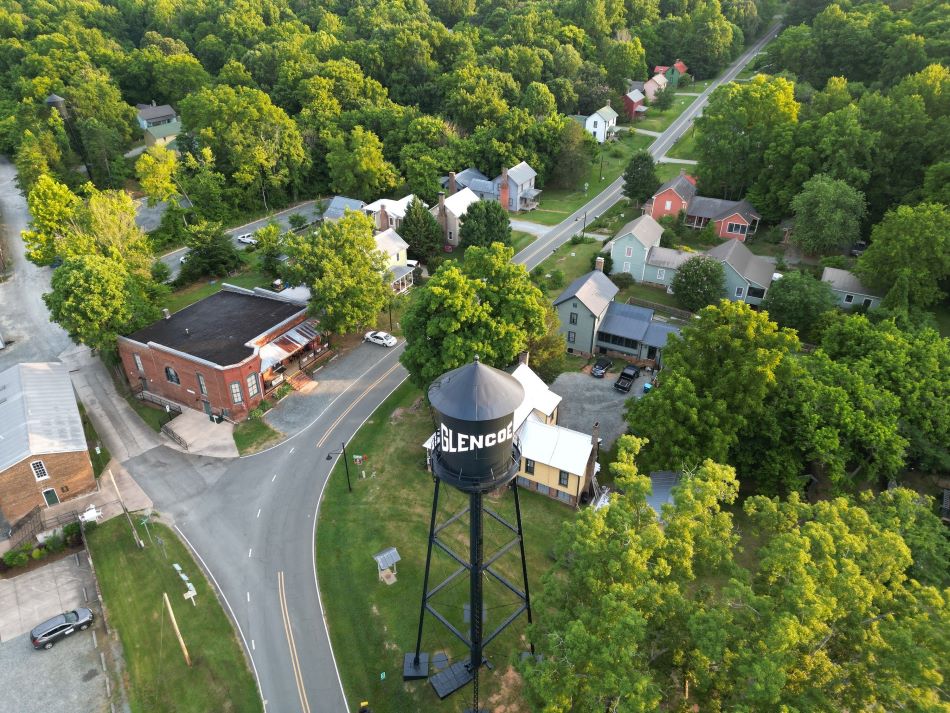
Get to Know: Glencoe Mill & Mill Village
This series is part of our America 250 Across NC celebration where Preservation North Carolina shares our state’s contributions to American History through the varied stories of historic preservation. July’s theme is textile mills and villages being used in different ways today while maintaining their original significance.
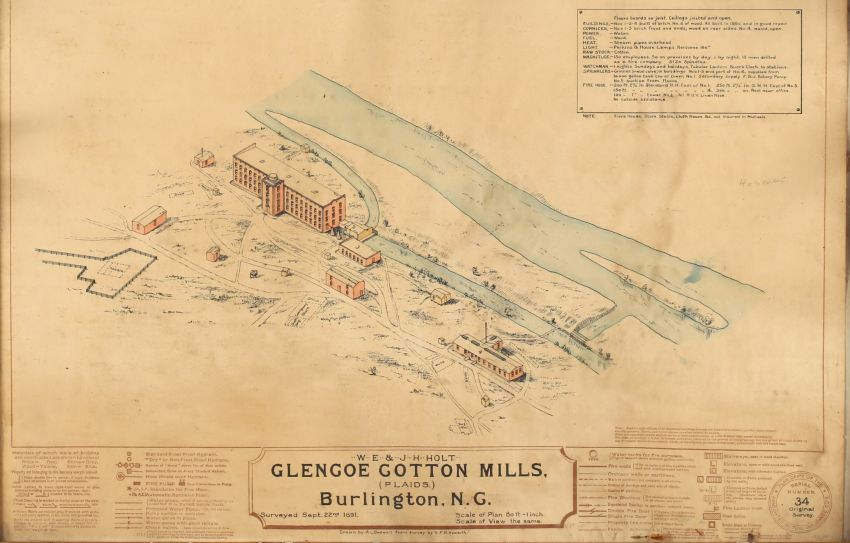
A look at the historic Glencoe Mill Village in Alamance County
Located just north of Burlington in Alamance County, Glencoe Mill Village is a riverside community established between 1880 and 1882 by James and William Holt, sons of North Carolina cotton mill pioneer Edwin Holt. Glencoe was one of many water-powered mills operated by the Holts in the Carolina Piedmont. Powered by the Haw River, it produced napped cotton cloth, flannels, and woven plaids, employing up to 500 people. Approximately half of the mill workers resided in housing located adjacent to the factory. By 1890, Glencoe was one of the 17 cotton mills that made Alamance County a cotton manufacturing center in the state, as measured by the number of cotton looms and spindles.
In 1889, the average Glencoe mill hand worked six 11-hour days. Men earned one to two dollars per day; women earned 50 cents to a dollar; and children earned 40 cents per day. By 1924, Glencoe employees were working 55-hour weeks, with men earning $2.10 and $6.60 per day and women just $2.10 and $2.38. Mill workers had little opportunity to improve their standard of living.
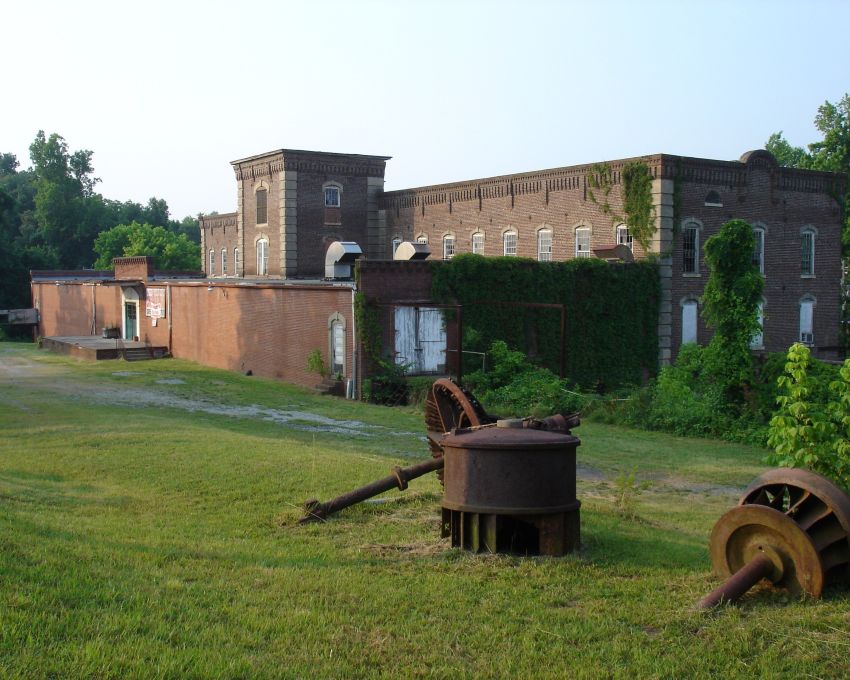
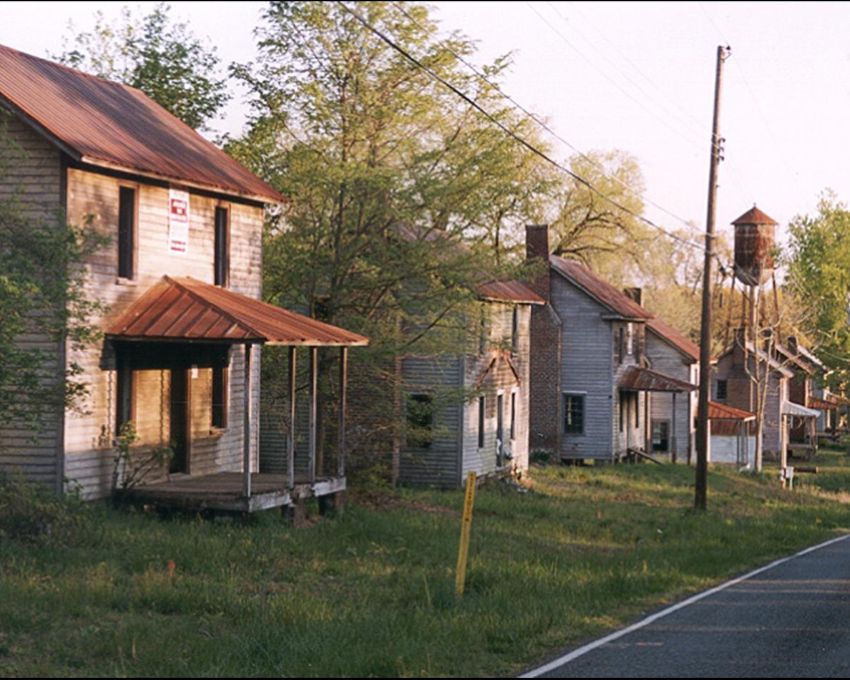
Independent mills like Glencoe struggled to compete with large-scale corporate mills, and it was forced to close in 1954. By the 1990s, the ghost town was in severe decline. The 101-acre Glencoe property consisted of 32 vacant and decaying mill houses and about 85,000 square feet of vacant mill buildings. In 1997, on the heels of its success with the Edenton Mill Village, Preservation NC purchased the entire Glencoe Mill and Mill Village in a bargain sale from Ms. Sarah Rhyne who championed its preservation.
The community had challenges beyond vacant and abandoned buildings. Infrastructure was not in place for community reinvestment, and utilities were expensive. Through partnerships with Burlington and Alamance County, PNC borrowed nearly $1 million to make the necessary improvements for modern living, including paved streets with street lights, and water, sewer, electric and gas connections. Many thought the houses were too far gone to be saved, but PNC knew better. Despite their construction at the peak of Victorian architecture, the houses feature heavy-timber framing with brick nogging in the walls. Their substantial construction enabled them to stand vacant for nearly a half century without maintenance. As with Edenton, PNC did the first house renovation as a “model” to work through design issues and help pave the way for new buyers. Properties were sold with protective covenants to ensure reinvestment and long-term preservation.
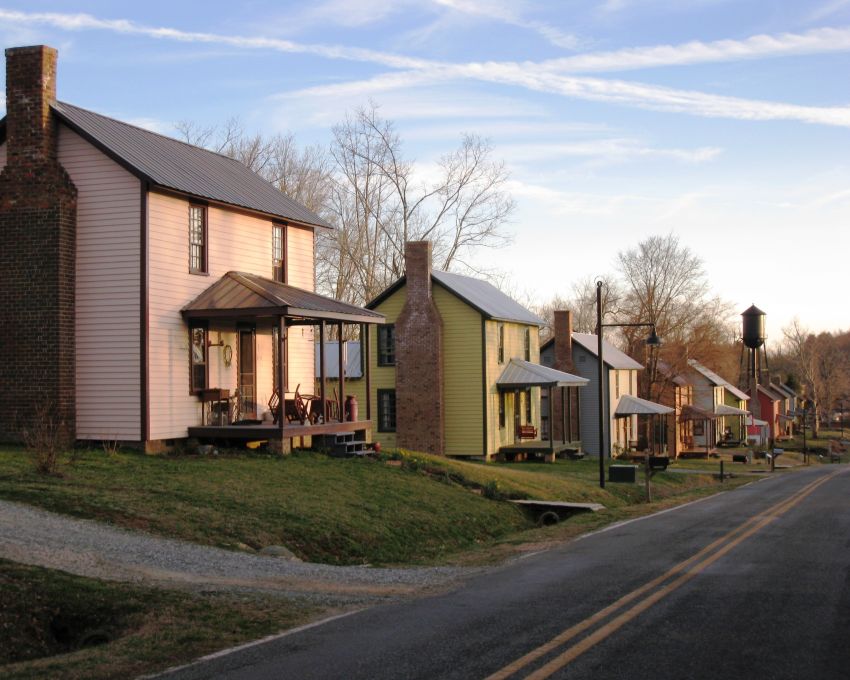
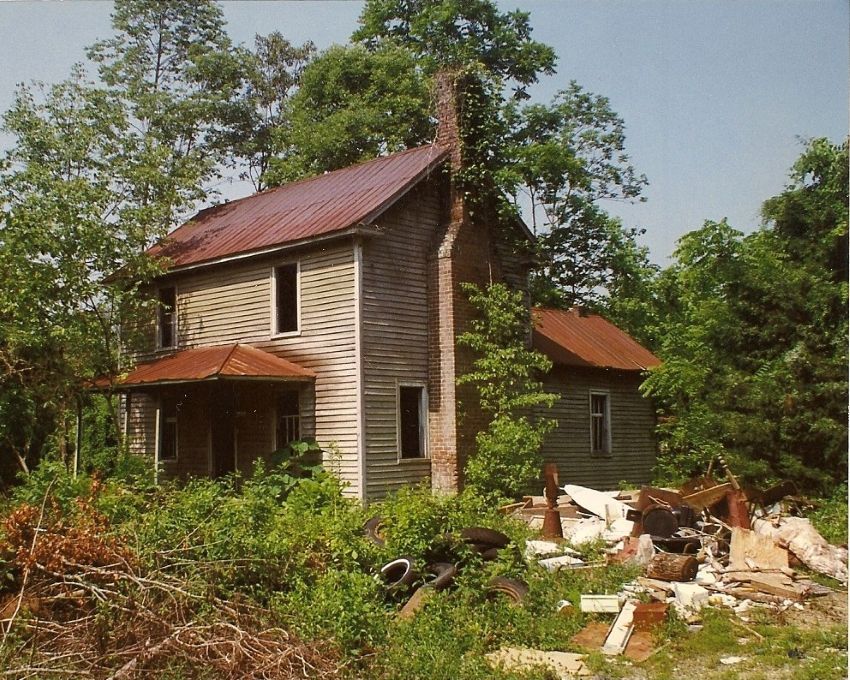
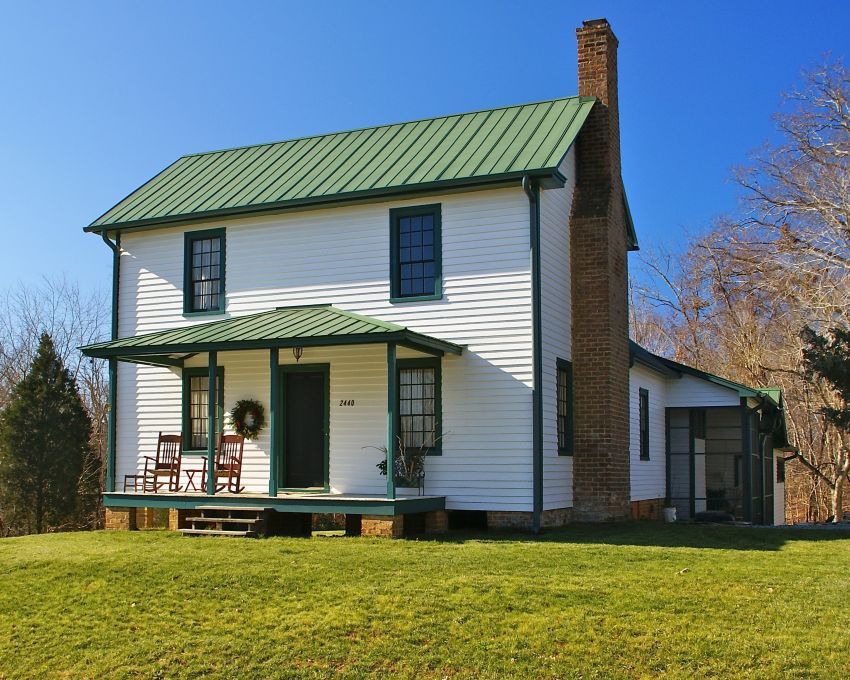
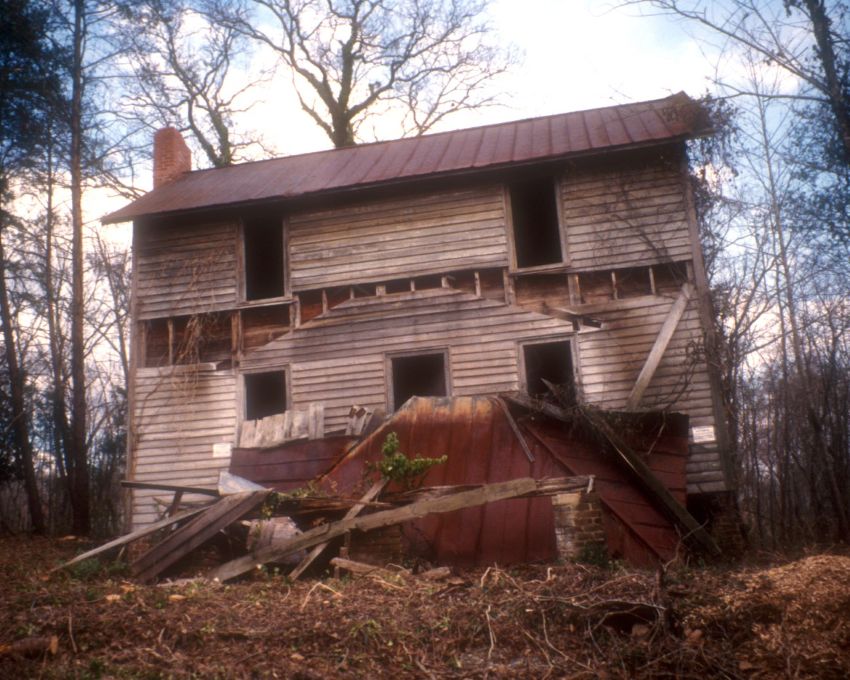
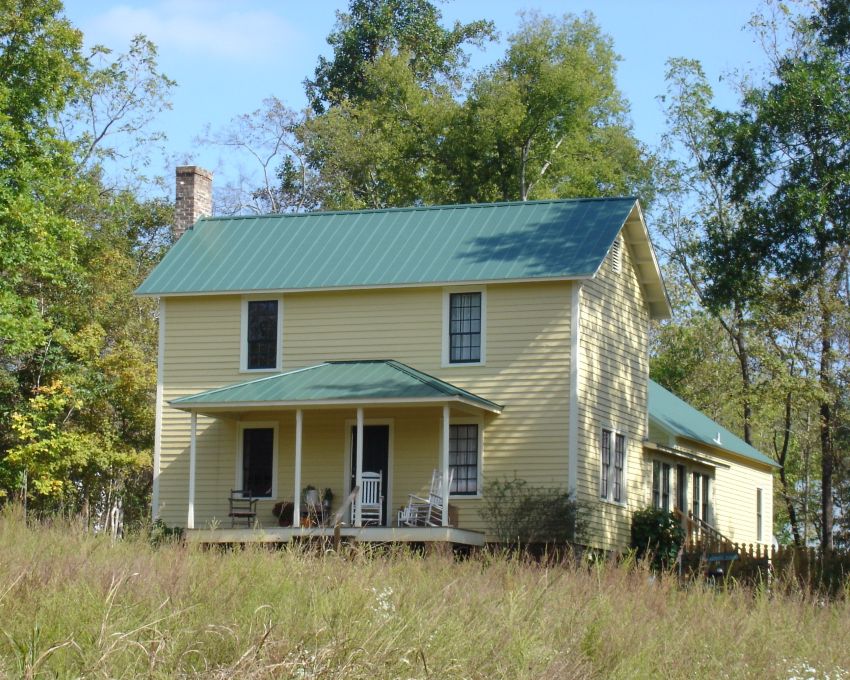
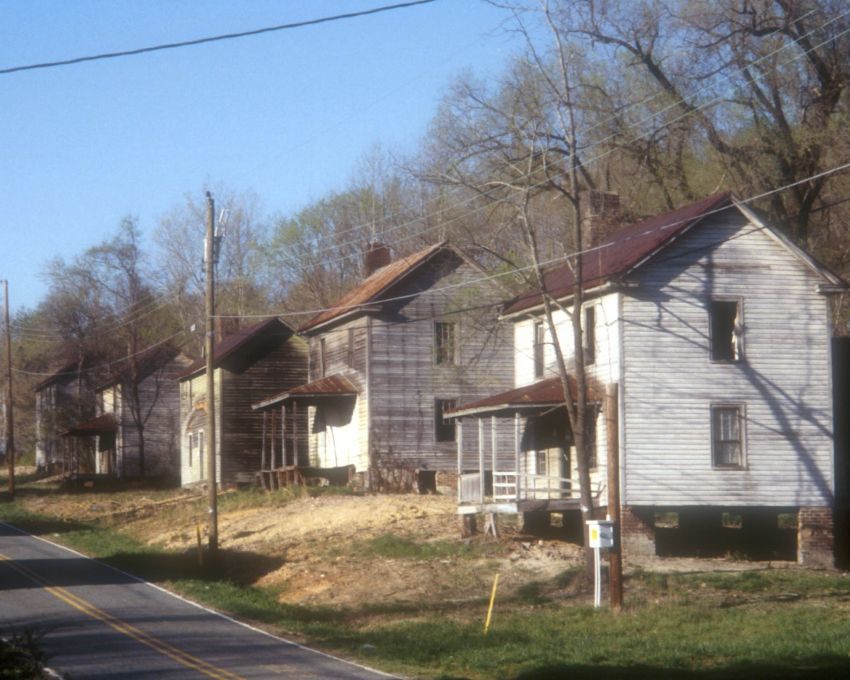
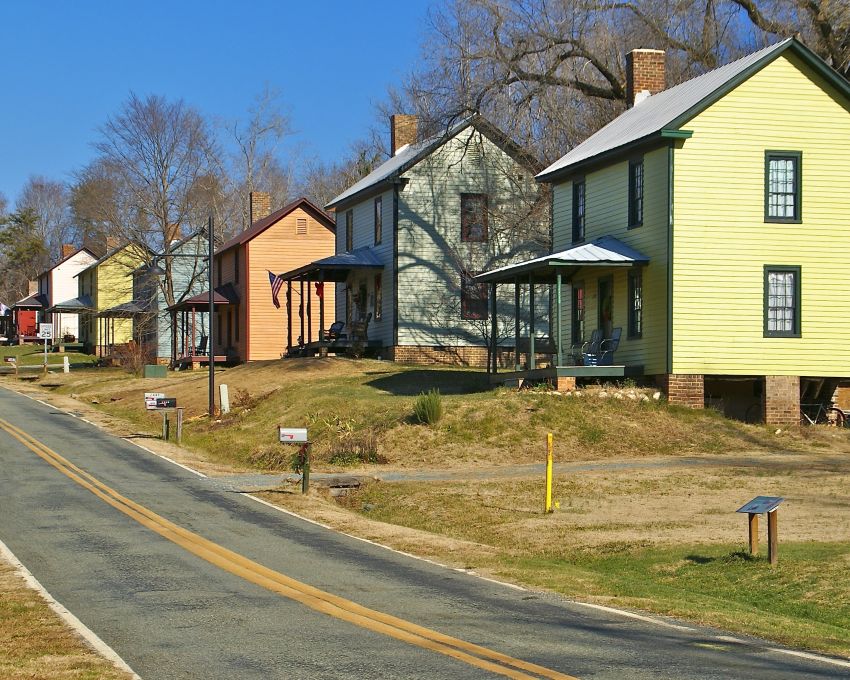
As houses continued to sell over the first decade, Hedgehog Holdings of Raleigh purchased the mill complex and began restoring it bit by bit. The warehouses, dye house and some of the other industrial structures have been restored; the mill building itself will be the final step. Other parcels of land and buildings were sold to the City of Burlington or Alamance County Parks and Recreation to develop parks, trails and the museum.
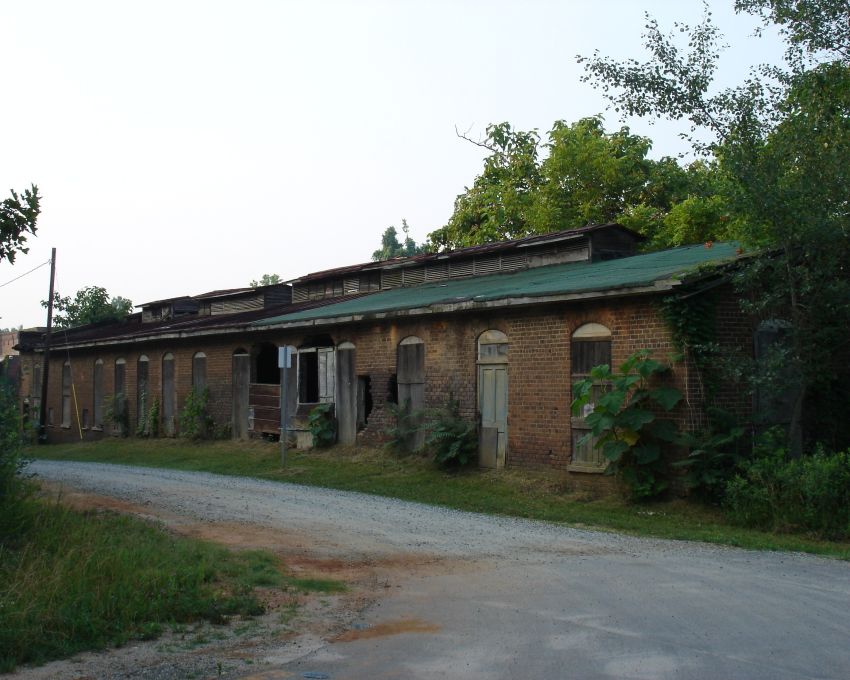
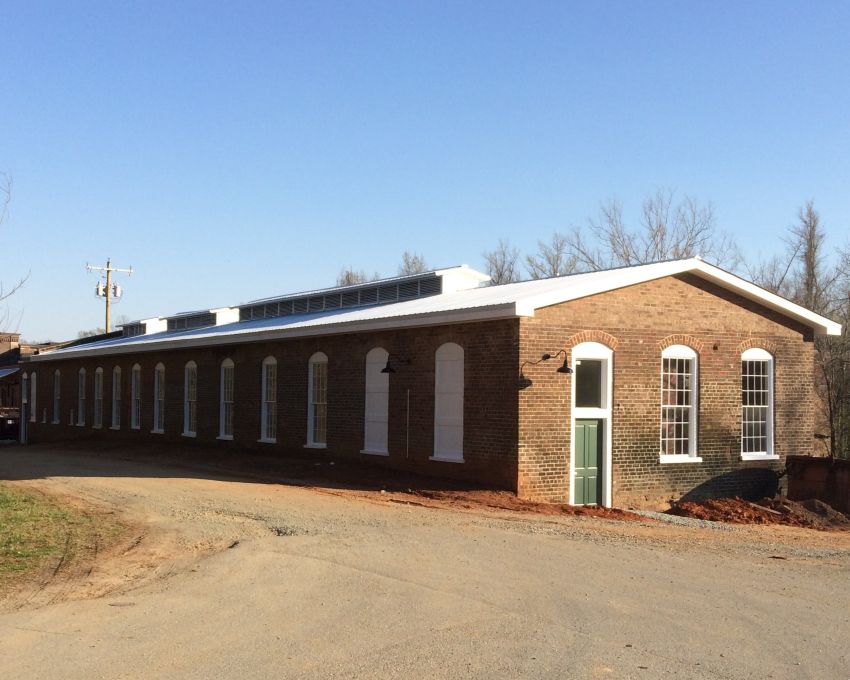
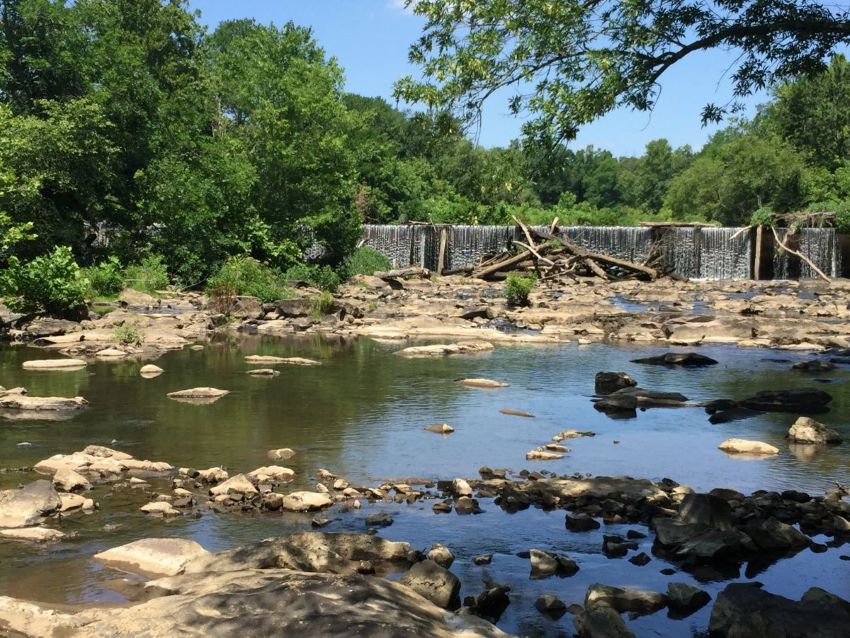
As with Edenton, Glencoe’s community benefits have been substantial, bringing economic development to the economically distressed north side of Burlington. The county gained a thirty-acre riverside park, and its tax base was greatly expanded. Glencoe is now one of Alamance County’s most visited tourist sites, and locals enjoy the canoe access. The Textile Heritage Museum was started in 2004 to tell the history of this community.
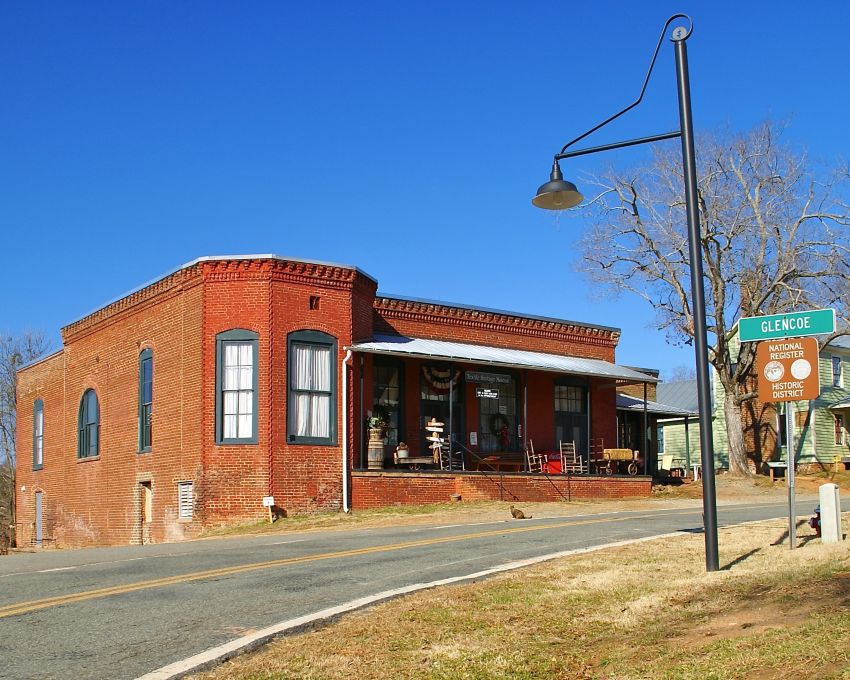
Photo by David Strevel, Capital City Camera Club