

The 411 on Section 106
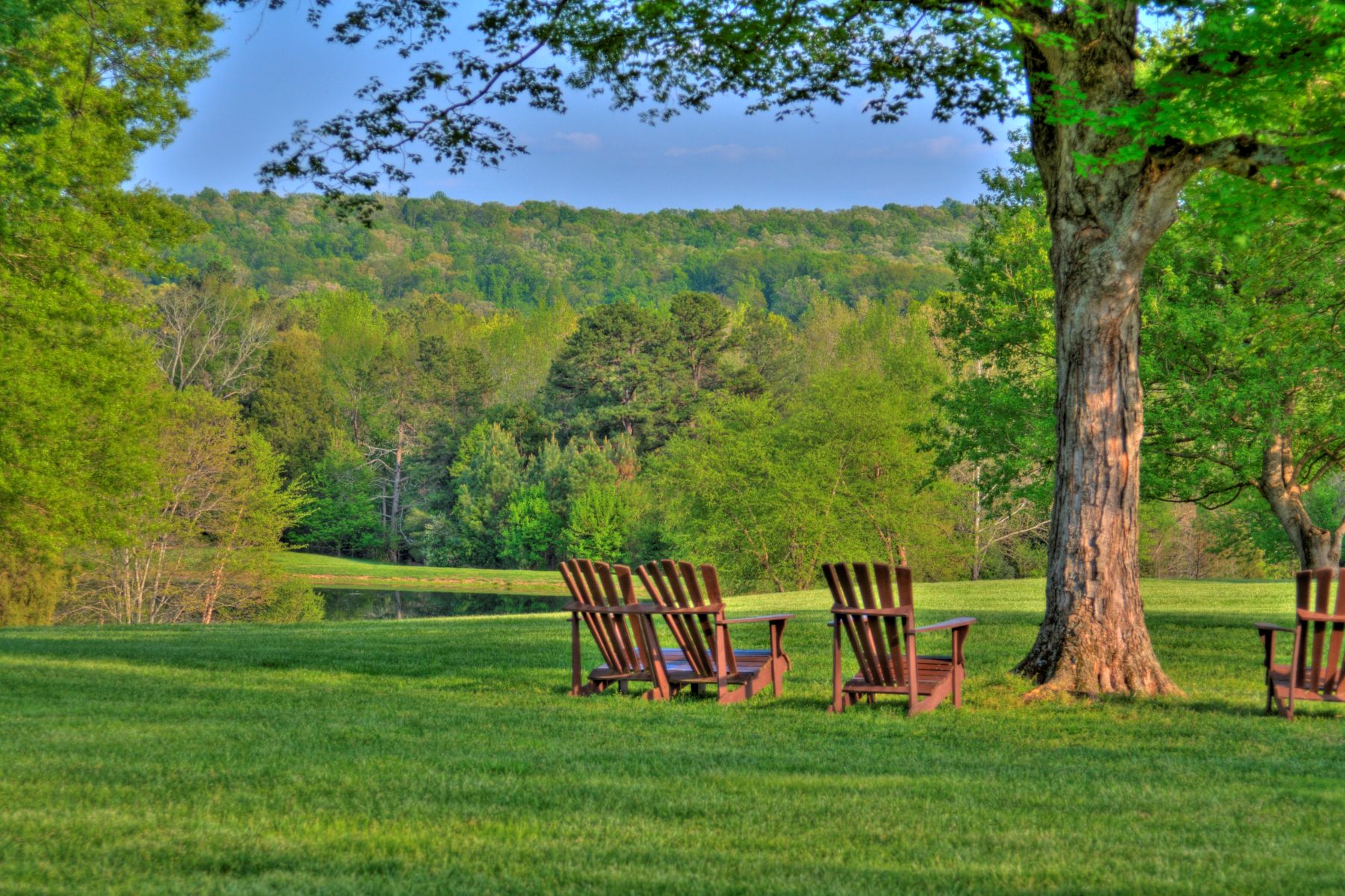
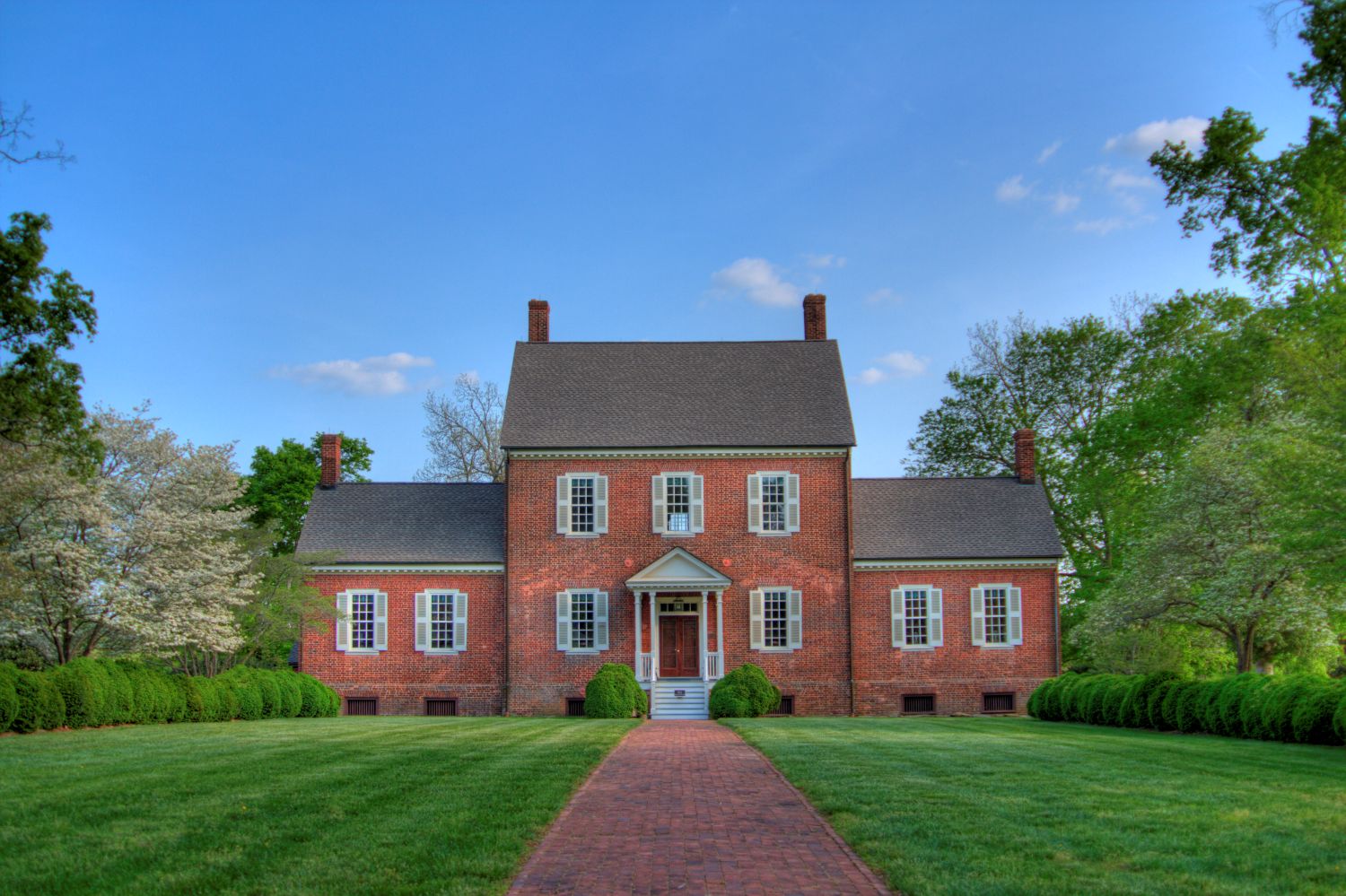
Saved by 106! The Ayr Mount property and nearby Occoneechee Speedway and Native American archaeological sites in Hillsborough were threatened by a four-lane highway. After a Section 106 Review, alternatives were found, and over 200 acres are now preserved as a park and viewshed along the Eno River.
Preservation North Carolina President and CEO Benjamin Briggs’ Statement on Section 106
Late last week it was brought to Preservation North Carolina’s attention that a major threat has emerged to historic preservation across the country due to proposed changes by the Advisory Council on Historic Preservation to Section 106 of the National Historic Preservation Act.
Preservation groups warn these changes will fast-track infrastructure and development projects by curtailing public participation, weakening consultations with Native American tribes, and enabling agencies to bypass oversight to protect our historic and cultural resources from destruction.
What is Section 106 Review?
Because of urban renewal in the 1950s and 1960s, our nation saw dramatic destruction of downtowns and historic sites for parking lots and highways. Citizens rallied to voice concern that the character and history of our communities were quickly being erased in the name of progress. Citizens sought a thoughtful and considerate process to allow change and to protect places important to our communities. The result was signed into law in 1966 by President Lyndon B. Johnson, and it organized tools that could be used to enhance preservation efforts and create a deliberate process to ensure that our own government wasn’t destroying our history.
That legislation included Section 106 of the National Historic Preservation Act.
How Does Section 106 Work?
Section 106 review is a mandated process under the National Historic Preservation Act of 1966 (NHPA). It requires government agencies to evaluate how their projects — including those funded, licensed, or permitted by the government — might impact historic properties. The primary goal is to consider and minimize harm to significant architectural, archaeological, and cultural sites. In North Carolina, examples of common projects that must currently be reviewed include:
- Transportation projects – such as the construction of a new freeway, road widening projects, bridge construction, or rail line upgrades.
- Infrastructure development – cell towers, electric transmission lines, solar farms, or flood mitigation.
- Urban development and redevelopment – consideration of the ways landfills, quarries, or new monuments might impact recognized historic cemeteries, parks, or historic districts.
- Cultural resource management – archaeological surveys for large-scale land disturbance for shopping centers and subdivisions, excavations, or disturbance of Native American sites.
What Does Section 106 Review Look Like?
The review process is outlined in 36 CFR Part 800 and is overseen by the Advisory Council on Historic Preservation (ACHP). It typically follows a process starting with an evaluation if a proposed project qualifies as a federal “undertaking.” Next, properties listed on or eligible for the National Register of Historic Places are identified. Then, an evaluation is made to see if there will be any “adverse effect” on these historic properties. Lastly, the agency consults with interested parties, including organizations like Preservation North Carolina and local historic preservation commissions, to negotiate ways to avoid, minimize, or mitigate the impacts, often formalized in a legally binding Memorandum of Agreement. Mitigation might mean shifting a road to avoid an historic school, church, or farm. It might result in a community destroyed for flood relocation to be photographically documented for archives.
What Are the Proposed Changes?
The proposed changes deliberately rewrite the review process to dramatically reduce protection for fast-track projects that destroy history.
- Eliminate the consideration of visual impacts or changes to the setting of historic buildings and landscapes.
- Replace traditional binding agreements with a unilateral agency choice, removing state and tribal dispute-resolution rights.
- Limit public engagement to a brief opportunity for public participation at the very end of the process rather than collaborative early discussions.
- Eliminate oversight for hundreds of billions of public dollars in state and local projects with minimal federal involvement.
- Curtail early, meaningful consultation with federally recognized Indian Tribes regarding sacred or culturally significant places.
- Speed up construction of projects that risk destroying historic properties and archaeological sites without adequate mitigation.
How Would This Affect Preservation Efforts in North Carolina?
Since 1966, there has been a legal mandate for best practices in stewardship of our historic and cultural sites. History brings people together to appreciate and celebrate our common values and sense of community. Once the government destroys our history, it is irreversibly lost for the enjoyment and benefit of future generations. Without a thoughtful and thorough Section 106 Review process, many important historic resources will be lost to development. Preservation North Carolina has been involved with many preservation projects as a result of the Section 106 review process which we look forward to sharing in the coming weeks with our community. The process is vital in fully understanding our historic and cultural resources and provides time to develop preservation solutions for endangered historic properties. Preservation North Carolina will coordinate with and support our local, state and national preservation partners in monitoring this issue as it unfolds.
This Preservation North Carolina news article was originally published on presnc.org on July 22, 2026