

PNC Event: Flat Rock Preservation Celebration
12:00 pm - 4:00 pm
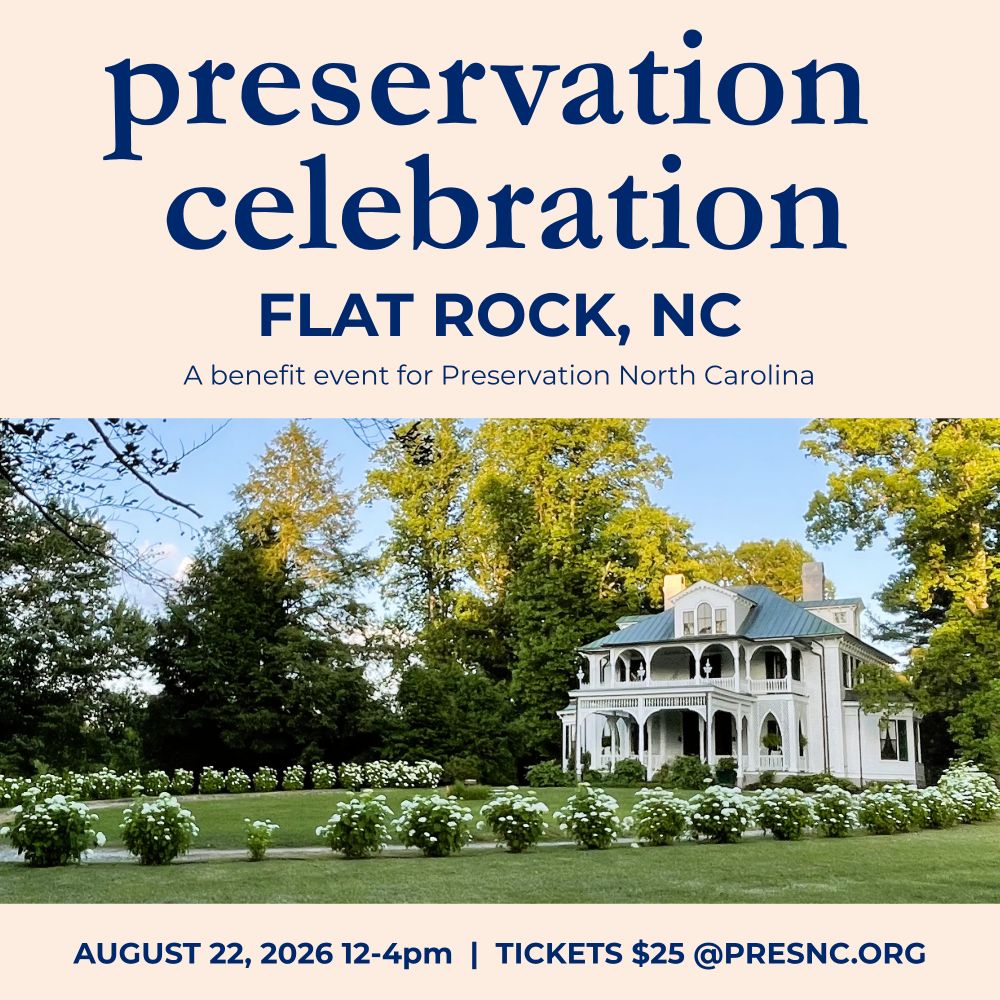
Begin the day with a special tour of Beaumont, followed by a tour of St. John in the Wilderness, ending with a tour and light snacks at Many Pines.
12-2 pm TOUR BEAUMONT & ST. JOHN IN THE WILDERNESS
2-4pm TOUR MANY PINES (does not open until 2pm)
CLICK HERE TO BUY TICKETS!
OR
CLICK HERE TO SPONSOR THIS EVENT! includes tickets and acknowledgement on event materials
Take a respite in the NC mountains this summer to explore Flat Rock, established in the Blue Ridge in the late 1820s as a colony for wealthy Charlestonians and other South Carolinians to escape the deadly summer diseases and heat. It is sometimes known as “Little Charleston of the Mountains.”
Guests will start the day with a special tour of Beaumont, where preservation is in progress after a fire damaged portions of the property. And yet, there is abundant beauty in the ashes of the rooms that burned! Local preservationists have been working to clean and protect the property while a new buyer is sought to restore the grand estate. The 1839 house has quite a history; the dining room was the site of a Civil War tragedy when its owner was fatally shot in front of his family. In 1910, Biltmore’s supervising architect Richard Sharp Smith designed the monumental over-build that is prominent today and boasts over 8,000 square feet. The 4.76-acre site contains a 1910 octagonal ice house, landscaped grounds, a pool, pool house, and tennis court.
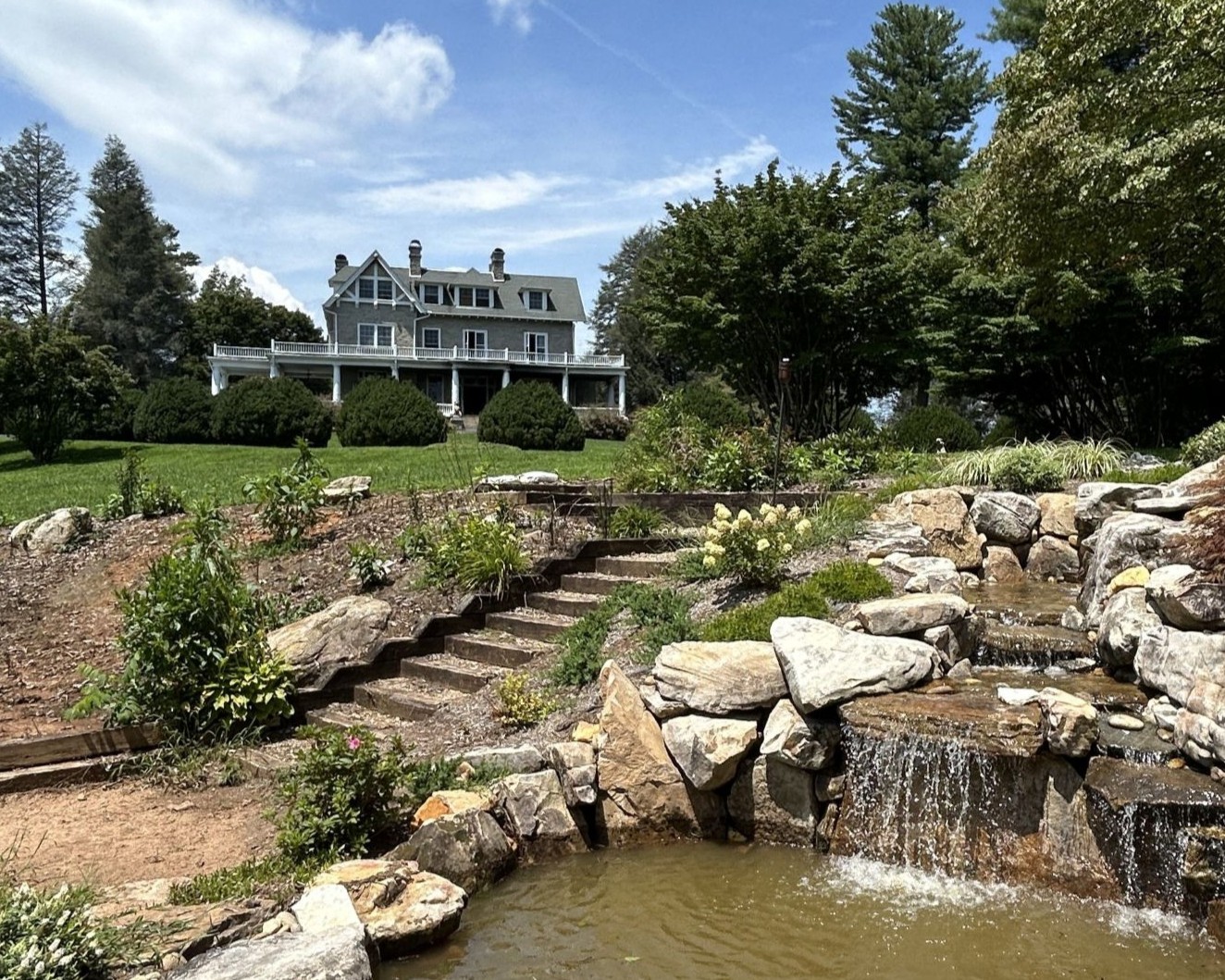
Beaumont, 1839 and 1910 – Preservation in Progress
From there, St. John in the Wilderness will open its storied doors. St. John’s, the oldest parish in the Diocese of Western North Carolina, began in 1827 when Charles Baring of England built a private chapel on his summer estate. After the original wooden structure burned, a brick church was built in 1833 and officially deeded to the Diocese of North Carolina in 1836, forming an Episcopal parish primarily made up of affluent Charleston summer residents. To accommodate a rapidly growing congregation, the church was rebuilt and doubled in size in 1852, resulting in the historic structure that stands today. St. John’s was unusual in that white people and enslaved black people worshipped together. Its historic churchyard serves as the final resting place for notable early American figures, military leaders, and both enslaved and freed individuals. The 1853 rectory still stands today on the 23-acre church property.
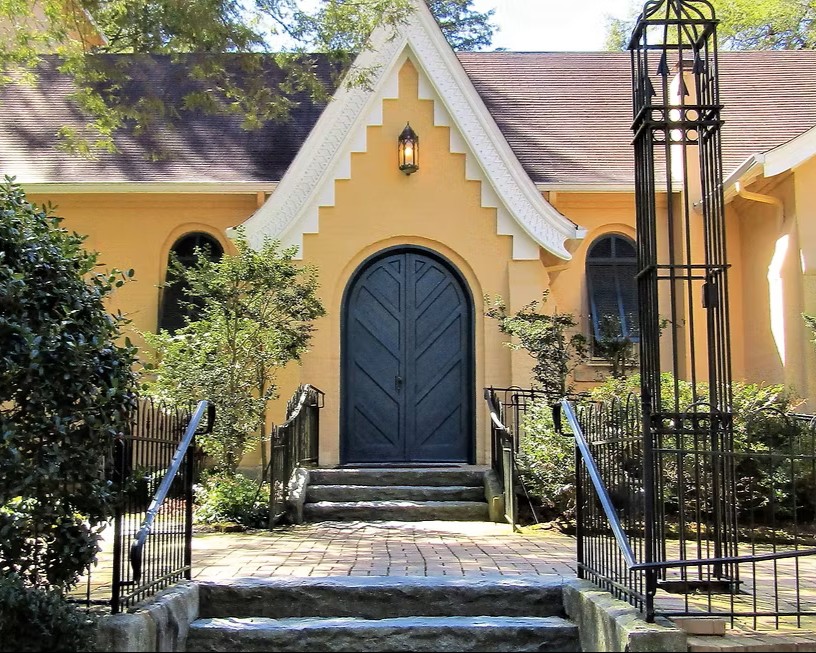
St. John in the Wilderness, 1852
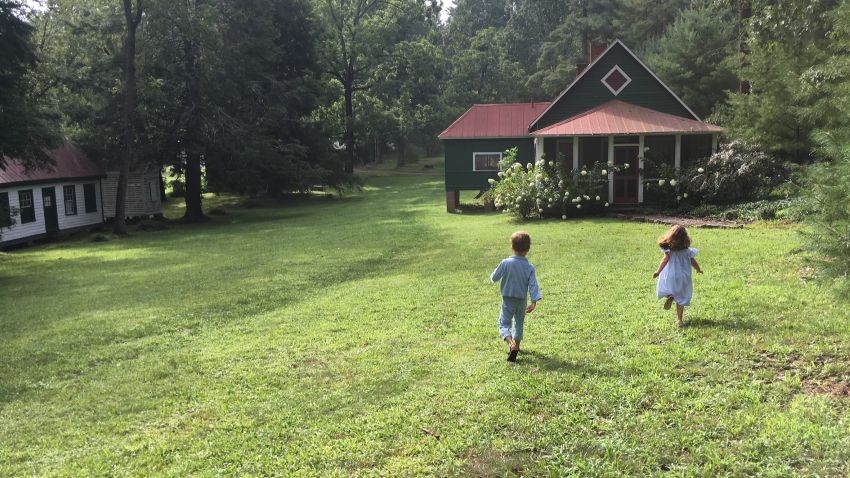
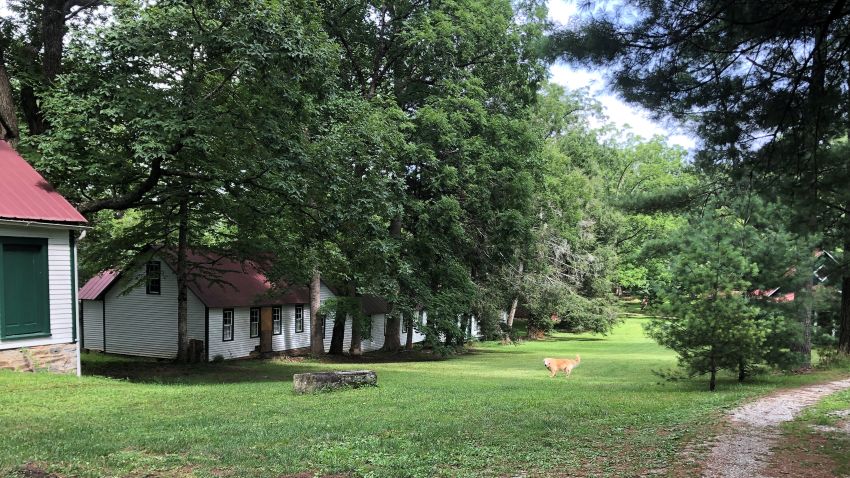
We’ll end the afternoon at the stunning historic house and grounds at Many Pines, one of the most intact complexes of the “old Flat Rock” estates. The house was constructed in 1847 for Charlestonian merchant James Reid Pringle and his wife, Sarah Ladson, by Henry “Squire” Farmer, a well-known builder of many early buildings in Flat Rock and Hendersonville. The original Greek Revival and Gothic two-and-a-half-story house with its 1888 Victorian embellishments create a happy blend of fretwork, latticework, and pointed and rounded arches. A pine-lined driveway leads to the house, situated on a meadowed hill and fronted by a circular drive and landscaped grounds. A dozen outbuildings have been carefully retained, among them a kitchen building, lattice vegetable house, barn, stone dairy, and slave and servant quarters. Augustine T. Smythe acquired the property in 1908 and gave it the name Many Pines. It is owned today by their great-granddaughter, preservationist and architectural historian Langdon Edmunds Oppermann and her husband, noted preservation architect Joe Oppermann.
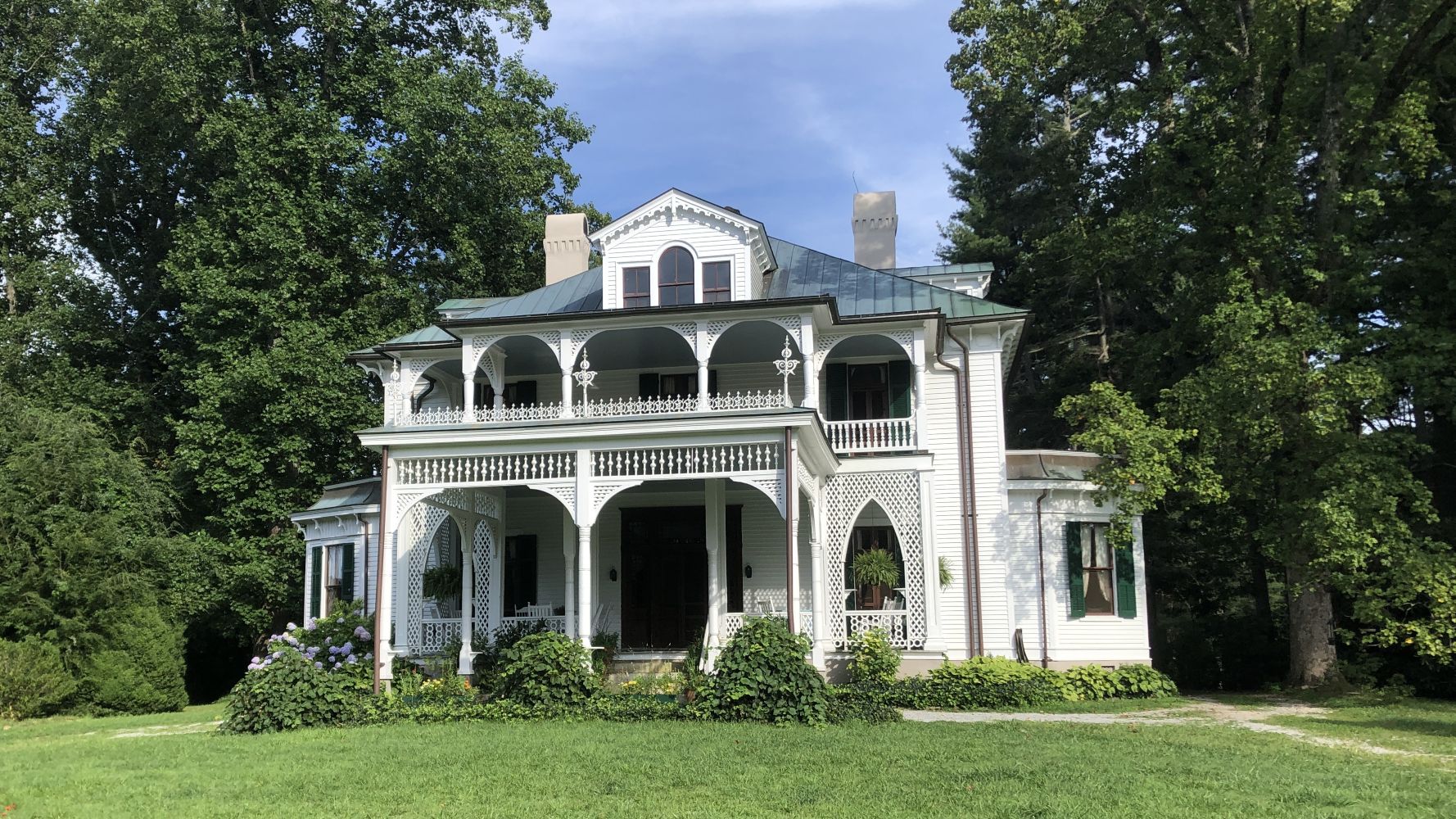
Many Pines, 1847 and 1888
Thank You To Our Event Sponsors To Date!
Click here to become a sponsor today!
| SILVER | |||
 |
 |
 |
 |
| BRONZE | |||
 |
 |
 |
 |
 |
 |
 |
 |
 |
 |
||
| CHAMPION | |||
 |
|||